When to Call for 24/7 Emergency HVAC Service: Top Warning Signs
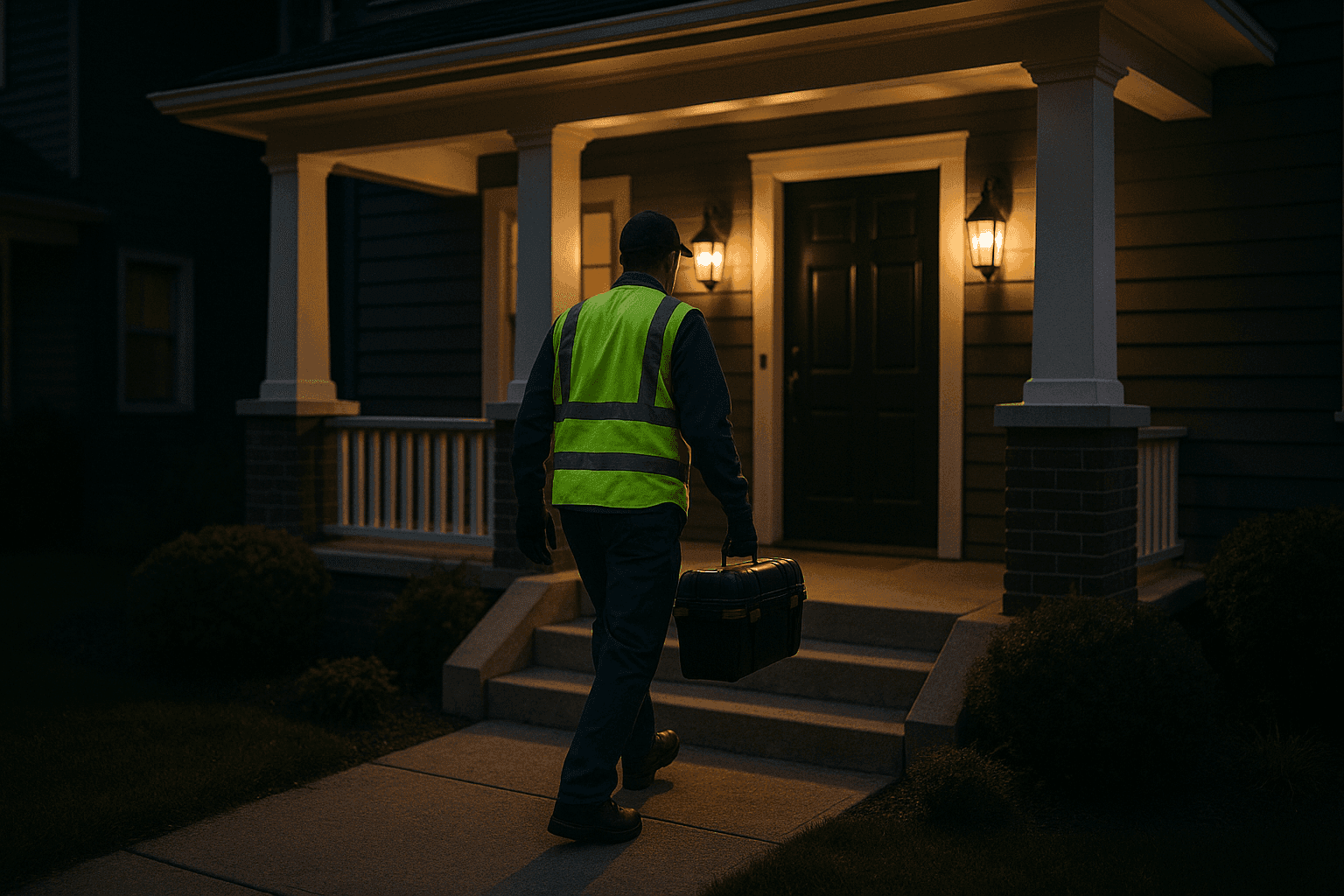
Is your home suddenly colder than a snow globe? Or maybe your AC is blowing hot air when you crave a cool breeze? When comfort turns to chaos, knowing when to call for emergency HVAC help can make all the difference.
At Almeria Heating & Cooling, we understand how a broken furnace or sparking AC can turn your night upside down. When seconds matter, our licensed team is ready—day or night—to restore your comfort and safety.
What Qualifies as an HVAC Emergency? 🛑
Not every HVAC issue can wait until morning. Some problems are like a ticking clock—you need help now. Here are the key warning signs that mean you should call for 24/7 emergency HVAC service:
- Total loss of heat in winter: If your furnace quits and temperatures drop, it’s more than uncomfortable—it can put pipes (and people) at risk.
- No cooling during a heatwave: When your AC fails on a sweltering night, heat exhaustion and health risks climb quickly, especially for kids and seniors.
- Unusual noises or burning smells: Rattles, grinding, or electrical burning odors can signal fire danger or mechanical failure.
- Gas smell: If you ever smell natural gas, leave your home and call emergency services first. Then, contact us for HVAC help.
- Major water leaks: A leaking air handler or burst pipe can damage walls, floors, and ceilings in minutes.
- Repeated breaker trips: If your system blows the fuse box every time it runs, it’s more than an inconvenience—it could be an electrical hazard.
If you’re unsure, play it safe. Waiting can make things worse, like ignoring a small leak that floods your basement.
What to Do Before Help Arrives
When an emergency strikes, quick action can keep your family safe and limit damage. Here’s a simple checklist:
- Turn off your system: If you hear strange noises or see smoke, shut down your HVAC at the breaker.
- Ventilate the area: Open windows if you smell gas (once you’re sure it’s safe).
- Protect valuables: Move electronics or furniture away from leaks.
- Don’t try risky repairs: Never tinker with gas lines, complex wiring, or refrigerant. Leave that to licensed professionals.
- Gather information: Note what happened—sounds, smells, or error codes—to help the technician diagnose the issue faster.
A little preparation goes a long way. Think of it like putting on your seatbelt before the tow truck arrives.
How 24/7 Service Works with Almeria Heating & Cooling
When you call Almeria for emergency HVAC help, here’s what happens next:
- Immediate dispatch: We answer the phone around the clock. No call centers, just real people ready to help.
- Licensed, background-checked technicians: Every tech is trained and certified. Your safety is our top priority.
- Nationwide rapid response: Whether you need “dehumidifiers near you,” AC repair, or furnace installation, we’re ready—no matter where you live.
- Transparent communication: We’ll let you know when to expect our arrival and what steps we’ll take.
- On-the-spot repairs: Our vans are stocked for most emergencies, so we solve most problems on the first visit.
We know emergencies don’t follow a 9-to-5 schedule. Neither do we.
Quick Home Safety Checklist
Stay safe with these simple steps before our team arrives:
- Check smoke and carbon monoxide detectors—especially during heating emergencies.
- Shut off gas valves if you suspect a leak (only if safe to do so).
- Unplug sensitive electronics in affected rooms.
- Keep kids and pets away from HVAC equipment and wet areas.
- If you have a generator: Follow the manufacturer’s safety guidelines, and never run it indoors. Reference: National Fire Protection Association (NFPA) standards.
DIY Fix or Call the Pros?
Some HVAC glitches are minor—a clogged filter, a tripped breaker. But know your limits:
- Try: Replacing filters, checking for tripped breakers, resetting the thermostat.
- Don’t try: Fixing wiring, opening up gas lines, or recharging refrigerant. These jobs can be dangerous, and may void your warranty.
If your “quick fix” doesn’t work, or you see sparks, water, or smell gas—step back and let us handle it.
What Our Pros Do On Arrival
Our licensed technicians follow a safety-first protocol:
- Rapid assessment: We’ll pinpoint the source—whether it’s your heat pump, furnace, or ventilation system.
- Safety checks: Inspect for gas leaks, electrical hazards, or carbon monoxide.
- Immediate repairs: We’ll fix what we can on-site. If specialty parts are needed, we’ll explain next steps.
- Full documentation: We’ll share everything we find, so you’re never in the dark.
We won’t leave until your system is safe and you’re comfortable.
Prevention & Maintenance: Staying Ahead of Emergencies
Want to avoid late-night surprises? Regular HVAC maintenance is like changing the oil in your car. It keeps things running smoothly and helps spot problems before they spiral.
- Annual tune-ups: Schedule seasonal maintenance for your AC and furnace.
- Duct cleaning: Dirty ducts can cause breakdowns and poor air quality.
- Change filters: Don’t wait until they look like dust bunnies!
- Test thermostats and safety shutoffs: Small checks can prevent big headaches.
For more, see recommendations from the Air Conditioning Contractors of America (ACCA) and your manufacturer’s guidelines.
Costs & Time Factors
Emergencies can be stressful, but it helps to know what to expect:
- After-hours rates: Emergency calls typically cost more than scheduled visits due to labor, travel, and immediate response.
- Time to repair: Most common issues—like failed capacitors or clogged drains—are fixed in a single visit. More complex problems may take longer if special parts are needed.
- Parts and labor: The cost depends on what’s broken. We’ll always explain your options before starting work.
Remember, waiting can sometimes lead to bigger (and more expensive) repairs. Acting quickly protects your home and your wallet.
When It’s an Emergency
Still not sure if your issue can wait? If you spot any of these, call right away:
- No heat and it’s below freezing
- No AC and indoor temps are dangerously high
- You see sparks or smoke from your HVAC unit
- You smell gas or rotten eggs
- Major water leaks from units or pipes
- Repeated circuit breaker trips when the system runs
Don’t gamble with your comfort or safety. It’s always safer to call.
FAQ: Common Emergency HVAC Questions
Q: How fast can you get here?
A: We respond 24/7, and our dispatch team aims to send a licensed technician as quickly as possible—usually within hours.
Q: What should I do if I smell gas?
A: Evacuate, call emergency services, and don’t use electrical switches or phones inside the house.
Q: Can I run my AC or heat until help arrives?
A: If you suspect any danger (smoke, burning smell, leaks), shut it off at the breaker and wait.
Q: Do you service all brands and models?
A: Yes, our technicians are trained on a wide range of equipment, from mini-splits to whole-house fans.
Local & Seasonal Considerations
Emergencies look different depending on where you live and the time of year:
- Winter storms: Sudden furnace loss can freeze pipes fast.
- Heatwaves: AC breakdowns can be life-threatening for vulnerable people.
- Storm damage: Power surges or flooding can knock out HVAC or generators.
- Humidity spikes: Dehumidifiers near you can help prevent mold after a summer storm.
Stay alert to seasonal risks, and have our number handy—just in case.
No one plans for an HVAC emergency, but you can plan your response. If your comfort or safety is on the line, don’t wait.
Call Almeria Heating & Cooling now — or reach us anytime at 844-668-4468 .