Emergency HVAC Guide: What to Do Before Help Arrives
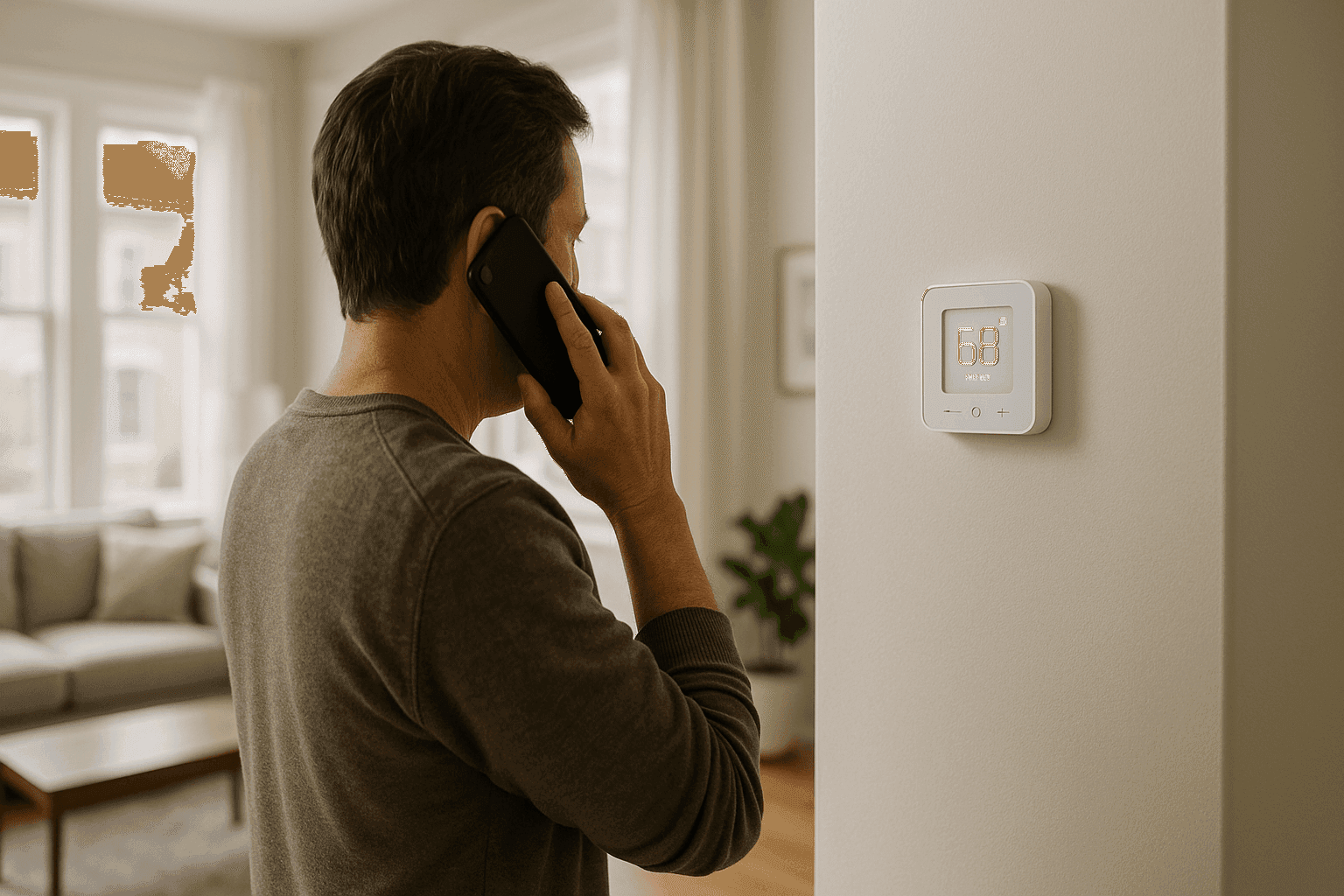
When your heating or air conditioning suddenly fails, it's more than uncomfortable—it can turn into a race against time. At Almeria Heating & Cooling, we know every minute matters when the temperature outside is pushing limits or storms hit hard. You’re not alone, and you don’t have to be an expert to keep your family safe while help is on the way.
This emergency HVAC guide gives you practical steps—clear, calm, and built on decades of hands-on experience. Here’s how to recognize a true emergency, act fast, and protect your home and loved ones before our licensed, insured technicians arrive.
Recognizing an HVAC Emergency 🚨
Not every HVAC issue needs a middle-of-the-night call, but some signs mean you should act fast. Here’s what to watch for:
- No Heat or No Cool: If your furnace stops in a winter freeze, or your AC fails in a heatwave, that’s urgent—especially for infants, seniors, or anyone with health concerns.
- Burning Smell: A smell like burning plastic or electrical wiring? Turn off your system immediately. This could mean an electrical fault or overheating—serious fire risks, according to the National Fire Protection Association.
- Water Leaks: Puddles or drips around indoor units, vents, or near electrical panels are red flags. Water can damage floors, walls, and wiring in a hurry.
- Gas Smell: Any hint of gas (rotten eggs) is a 911 moment. Leave the house and call the gas company from a safe location.
- Strange Noises: Screeching, banging, or rattling can mean a failing motor or broken parts that could get much worse if left running.
- No Airflow: If you can’t feel any air from vents, especially after power surges or storms, act quickly.
Some issues can wait, but these can’t. When in doubt, call 24/7 emergency HVAC—better safe than sorry.
Immediate Safety Steps
Before our team arrives, your first job is safety. Think of yourself as the referee, not the quarterback—your job is to keep the field clear.
What to Do Immediately:
- Shut Off Power: Flip the breaker to your HVAC unit (not just the thermostat). This cuts the risk of electrical shock or fire.
- Avoid Water: Don’t step in or touch water pooling near the system, especially if it’s close to outlets or wires.
- Shut Off Gas: If you suspect a leak, turn off the main gas valve if you know how. Otherwise, get everyone out and call the gas company.
- Keep Kids & Pets Clear: Block off the area. Curious hands and paws don’t mix with emergencies.
What NOT to Do:
- Don’t try to fix wiring, gas lines, or internal parts yourself. These are jobs for certified pros.
- Don’t use space heaters or stoves as a replacement for central heat—they’re a leading cause of house fires (U.S. Fire Administration).
- Don’t ignore warning signs or “wait and see.” Small leaks or sparks can become big problems fast.
Temporary Comfort Measures
While waiting for Almeria Heating & Cooling, you can take steps to keep your home livable—safely.
If It’s Too Cold:
- Layer up with sweaters, hats, and socks.
- Close curtains and doors to trap heat in one room.
- Place towels at the bottom of doors to block drafts.
- Use electric blankets or safe portable heaters—only if you’re awake and in the room.
If It’s Too Hot:
- Shut blinds against the sun.
- Use ceiling or portable fans to circulate air (but only with power on and no water leaks present).
- Drink water, avoid using the stove/oven.
- Rest on lower floors—heat rises.
For Humidity or Air Quality:
- Open windows if it’s safe to do so.
- Dehumidifiers near you can help manage muggy air—just be sure they’re plugged into dry, safe outlets.
- Change HVAC filters if you can do so safely, especially after dust storms or wildfire smoke.
When to Call 24/7 Service
Not sure if you need emergency HVAC repair right now? Here’s a quick checklist:
- It’s below freezing or above 90°F inside, and your system won’t run.
- You smell gas, burning, or see smoke.
- There’s visible water near electrical parts.
- System is making loud, unusual noises you can’t ignore.
- You have infants, elderly, or medical needs at home.
If any of these are true, call Almeria Heating & Cooling’s emergency line. Our technicians are licensed, insured, and respond fast—any time, day or night.
If your system is just making a strange noise, the air feels stuffy, or it’s a little warm/cooler than usual, you can often wait for regular business hours. But if you’re ever unsure, call. We’ll help you decide.
What NOT to Do Before Pros Arrive
It’s tempting to tinker, but sometimes “fixing” makes things worse. Here’s what to avoid:
- No DIY electrical repairs—leave panels and wiring alone.
- Don’t light matches, candles, or use open flames near HVAC areas.
- Don’t run generators indoors or in garages (carbon monoxide risk).
- Avoid using the system if you hear grinding, banging, or anything that sounds dangerous.
Remember: Safety first. The right move is to wait for a pro.
What Our Pros Do On Arrival
You might wonder what happens next. When our Almeria Heating & Cooling techs arrive, they’ll:
- Inspect for immediate hazards—electrical, gas, or water.
- Diagnose the root cause with specialized tools (voltage meters, refrigerant gauges, etc.).
- Make urgent repairs to restore safety and basic comfort.
- Advise on preventing future issues—sometimes it’s as simple as a new filter or thermostat adjustment.
Our team follows local building codes, OSHA safety guidelines, and manufacturer instructions for every repair. Your safety is always first.
Prevention & Maintenance
The best way to avoid a late-night emergency? Keep your HVAC healthy year-round.
- Schedule regular maintenance: Twice a year is best—before summer and winter.
- Change filters: Every 1–3 months, especially after storms or high pollen.
- Check for leaks: Water, refrigerant, or gas—report any changes right away.
- Test thermostats and detectors: Batteries should be fresh in smoke and carbon monoxide detectors.
- Home energy audits: These can find leaks or inefficiencies before they become emergencies.
Staying ahead with these steps can save you from future stress and expenses.
Costs & Time Factors
No two emergencies are identical, but here’s what to expect:
- Service Arrival: Most 24/7 HVAC calls are answered within hours, day or night. Weather and road conditions may impact timing during storms or blizzards.
- Repair Time: Simple fixes (like a blown fuse or clogged filter) may take under an hour. Major issues (like compressor or blower failure) could take several hours or require special-order parts.
- Costs: Emergency calls often cost more than regular visits due to after-hours rates and immediate response needs. According to the U.S. Department of Energy, maintenance is always less expensive than emergency repair.
If you’re concerned about the cost, ask our dispatcher for a general range—they’ll help you understand what’s likely, without promising exact prices.
When It’s an Emergency
To sum up: An HVAC problem is an emergency if it puts your safety, health, or home at risk. That means:
- No heat or cooling during severe weather
- Any electrical, gas, or water hazard
- System won’t turn off or is making dangerous noises
- You feel unsafe, or the situation is getting worse
Never wait if you’re worried. It’s always better to call than to guess.
FAQ
How do I know it’s really an emergency?
If you’re uncomfortable, there’s a burning or gas smell, water near the system, or anyone in your home is at risk, it’s an emergency.
Can I fix anything myself?
You can turn off the breaker, mop up small water spills (if safe), and change filters. Leave all repairs to licensed technicians.
What should I tell the dispatcher?
Describe the problem, mention any smells, noises, or leaks, and share if anyone in your home has special health needs.
Are your technicians licensed and insured?
Absolutely. Every Almeria Heating & Cooling tech is fully trained, certified, and insured for your peace of mind.
Local & Seasonal Considerations 🌪️
Weather can turn routine HVAC issues into emergencies. In winter, pipes can freeze and burst if your furnace fails. During summer heatwaves, AC breakdowns can be dangerous, especially for at-risk groups. After storms or power outages, always check your system before running it—surges can damage sensitive components.
If wildfire smoke or dust storms are common in your area, change filters more often and ask about air scrubbers or Dehumidifiers near you to keep indoor air fresh and safe.
Your comfort and safety are our top priorities. When emergencies strike, keep calm, follow these steps, and let Almeria Heating & Cooling handle the rest.
Call Almeria Heating & Cooling now — or reach us anytime at 844-668-4468 .