AC Repair or Replace? How to Decide What’s Best for Your Home
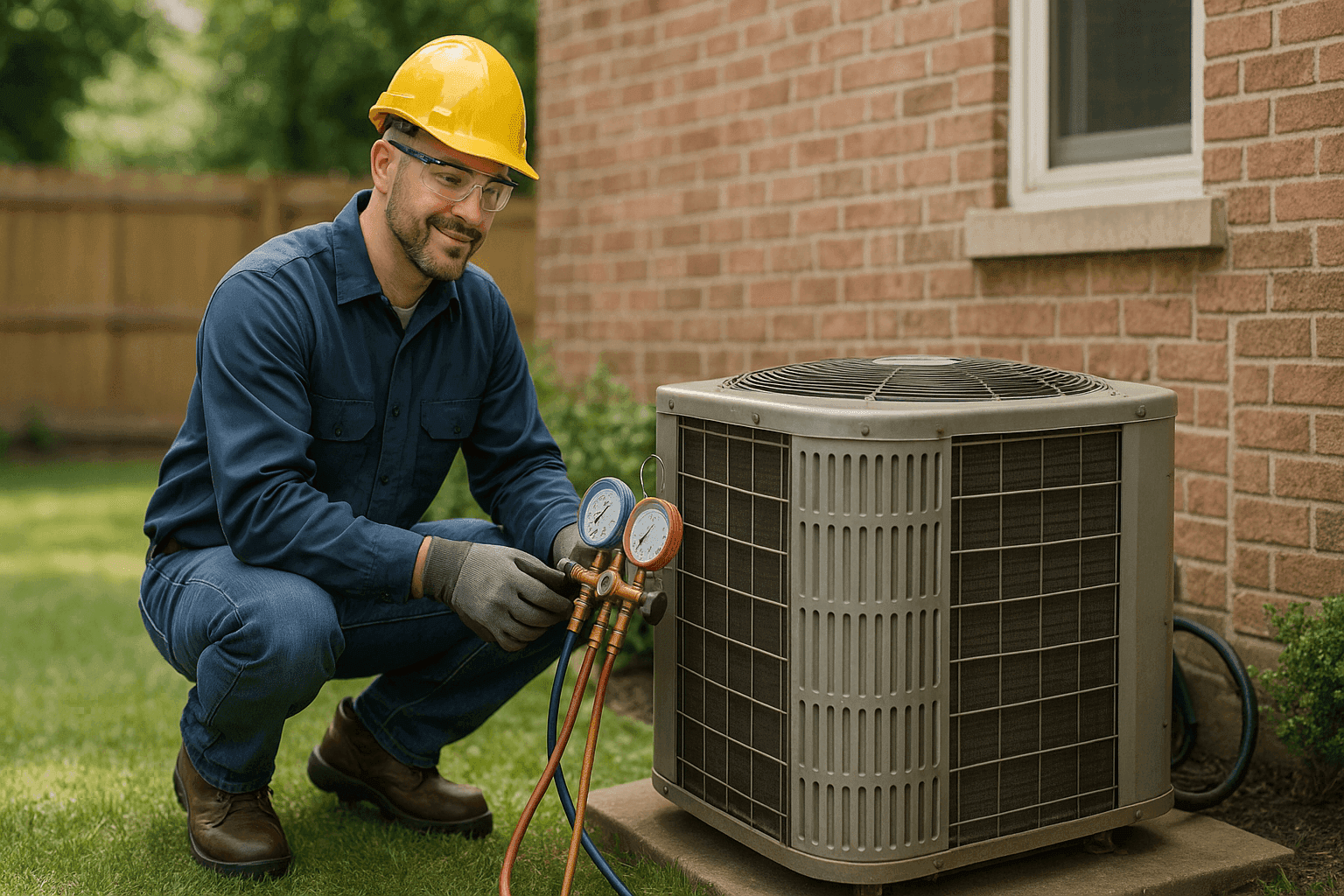
Stuck in a stuffy house, sweating over whether your AC needs a quick fix or a full replacement? You’re not alone. Every summer, countless homeowners wrestle with this decision—especially when an unexpected breakdown turns comfort into chaos.
At Almeria Heating & Cooling, we answer that question daily. Our 24/7 emergency hvac team knows the stakes are high. Your family’s comfort, safety, and budget all hang in the balance. Let’s break down how to decide what’s best for your home, without the jargon or guesswork.
Signs Your AC Needs Attention 🛑
Air conditioners don’t have a magic “replace me” light. But they do send signals. Some are as subtle as a rising utility bill; others are as obvious as a system that won’t start on a sweltering afternoon. Here’s what to watch for:
- Age of your system: Most central air units last about 10–15 years (source: ENERGY STAR). If yours is older, it may be living on borrowed time.
- Frequent breakdowns: If you’re calling for repairs every few months, it’s like patching a leaky boat. Short-term fixes add up.
- Higher energy bills: Sudden spikes often mean your AC is working overtime to deliver the same cool air.
- Uneven cooling: Some rooms feel like the Arctic, others like the Sahara. This points to deeper issues—possibly with ductwork, insulation, or system capacity.
- Strange noises or odors: Grinding, squealing, or musty smells aren’t normal. They often hint at worn parts or poor indoor air quality.
If any of these ring true, your AC is waving a red flag. The next step? Weigh your options.
Repair vs. Replacement Factors
The decision to repair or replace isn’t black and white. Think of it like choosing between repairing an old car or buying a new one. Here’s what should guide you:
Cost Comparison
- Repair costs: A good rule of thumb? If a single repair costs more than half the price of a new system, replacement may make sense.
- Hidden expenses: Don’t forget the cost of frequent emergency hvac calls, lost comfort, and rising energy bills.
System Age
- Under 10 years: Repairs may be reasonable, especially if the unit has been well maintained.
- Over 10–15 years: Most parts become less available and efficiency drops. Investing in a new unit could save you more in the long run.
Part Availability
- Older models (especially those using phased-out refrigerants like R-22) can be hard—and expensive—to fix.
Energy Efficiency
- SEER rating: New units offer much better energy savings. According to the U.S. Department of Energy, upgrading from a 10 SEER to a 16 SEER system can cut cooling costs by up to 40%.
- Rebates: Modern systems may qualify for local or federal incentives, making replacement more attractive.
Long-Term Value 💡
Looking past the next summer, what pays off?
- Comfort: Newer systems offer quieter operation, better temperature control, and improved humidity management. Think of it as the difference between an old box fan and a sleek, silent ceiling fan.
- Warranty protection: Most new HVAC systems include multi-year warranties, protecting you from surprise repair bills.
- Rebates & incentives: ENERGY STAR and local utility programs often provide cash back or financing on qualifying systems.
- Home value: An updated, efficient AC can be a selling point if you plan to move.
Practical Tips for Homeowners
- Track repair bills: If you’re stacking up receipts, tally them. Sometimes, the numbers speak for themselves.
- Schedule a home energy audit: Services like “Dehumidifiers near you” and indoor air quality checks may reveal hidden issues.
- Ask about part availability and refrigerant phaseouts: Don’t get caught off guard by obsolete tech.
- Evaluate your comfort: Are you happy with how your system cools? Or just getting by?
Safety First: What to Check Before Deciding
- Is your AC running but not cooling? Check the thermostat, circuit breakers, and air filter.
- Odd smells or visible damage? Turn off the system and call for help.
- Water pooling around the unit? This could mean a blocked drain or refrigerant issue.
- Breaker trips repeatedly? Avoid repeated resets; this could signal a serious electrical fault.
If you’re ever unsure, calling for a professional safety evaluation is the best next step. The International Association of Certified Home Inspectors (InterNACHI) and the Air Conditioning Contractors of America (ACCA) both recommend annual inspections for peace of mind.
Common Questions
How long should my AC last?
With proper maintenance, most central ACs serve 10–15 years. After that, efficiency and reliability decline.
Will a new AC really lower my bills?
Yes—modern systems are far more efficient. Depending on your old unit’s age, you could see energy savings up to 40%.
What’s the 5,000 Rule?
Multiply your repair estimate by the system’s age. If the result is over $5,000, replacement is usually smarter.
Can emergency hvac service help at night or on weekends?
Absolutely. Almeria Heating & Cooling offers 24-hour emergency service to restore comfort fast, whenever you need it.
The Bottom Line: Making the Right Call
There’s no universal answer. Sometimes a well-timed repair is all you need. Other times, investing in a new, energy-efficient system brings years of savings and peace of mind.
If you’re sweating the decision, you don’t have to go it alone. Our team can inspect your current system, walk you through costs, and help you compare options—no pressure, just clear answers.
Call Almeria Heating & Cooling now — or reach us anytime at 844-668-4468 .