How Often Should You Replace HVAC Filters? Expert Recommendations
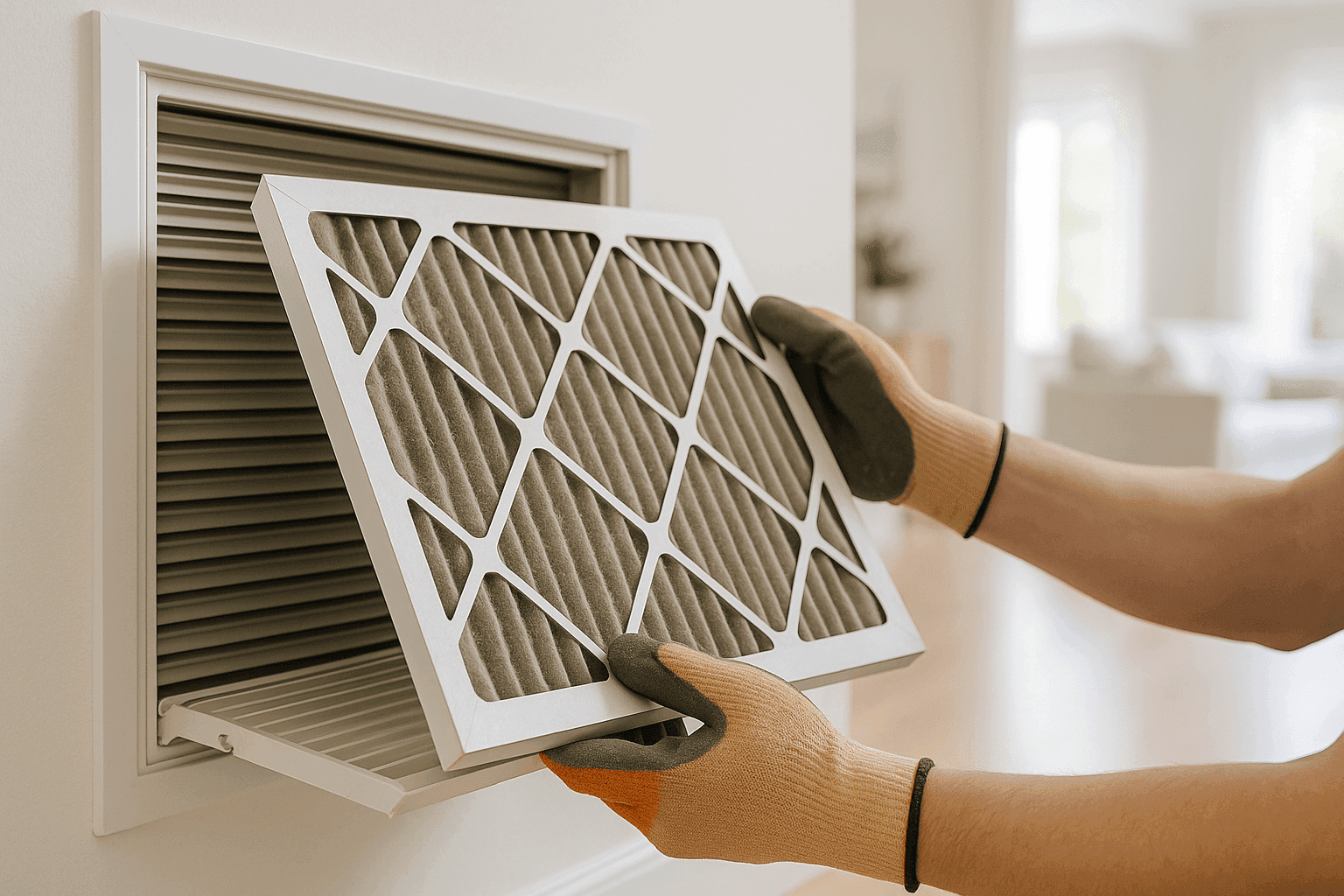
Breathing easy at home shouldn’t feel like a luxury. But for many families, poor indoor air quality is a silent guest—sneaking in dust, pollen, and pet hair, making allergies worse and energy bills higher. At Almeria Heating & Cooling, we see all the hidden ways a clogged filter can mess with your comfort, your air, and your wallet.
You probably don’t think about your HVAC filter until something feels off. Maybe the air feels stuffy. Maybe your system is running longer than usual. Or maybe someone in your home starts coughing more. Let’s break down how simple filter changes can make a massive difference, and what schedule truly keeps your system—and your family—at their best.
Why Air Filters Matter 🏠
Your HVAC filter is like the bouncer at a club—keeping out the riffraff (dust, pollen, pet dander) so only clean air gets through. A clean filter means:
- Healthier air: Catches allergens and particles before you breathe them in.
- Longer-lasting equipment: Dusty filters make your furnace or AC work harder, wearing it out faster.
- Lower energy bills: A clogged filter is like breathing through a scarf—your system uses more power just to keep up.
According to the U.S. Environmental Protection Agency (EPA), keeping air filters clean is one of the simplest ways to improve your home’s air quality and help your HVAC system run efficiently.
One of our customers, Maria P., said, “After switching to regular filter changes every few months, my son’s allergies eased up. The house just feels fresher.”
Replacement Frequency Explained
So, how often should you swap out that filter? Here’s where it gets personal. The answer depends on your home, your lifestyle, and even your neighborhood.
- Every 30–60 days: If you have pets, allergies, or live near construction or heavy traffic, check monthly.
- Every 90 days: For homes without pets, allergies, or smokers, you can usually stretch to every three months.
- Every 20–45 days: If you use your HVAC system constantly, have multiple pets, or anyone in your household has asthma, change more frequently.
- Check monthly during peak use: In hot summers or cold winters, inspect your filter every month.
Other factors that speed up filter clogging:
- Shedding pets (hair + dander = filter enemy)
- Smoking indoors
- High local pollen counts (spring and fall)
- Frequent use of Dehumidifiers near you or air purifiers
A quick tip: Hold your filter up to the light. If you can’t see light through it, it’s time for a change.
Choosing the Right Filter
Not all filters are created equal. It’s like choosing sunglasses—the right pair blocks the right stuff.
- MERV Ratings: Minimum Efficiency Reporting Value (MERV) scores filters from 1–16. The higher the number, the more particles it traps.
- MERV 8: Good for dust and pollen.
- MERV 11: Catches pet dander, smoke, and finer particles.
- MERV 13–16: Great for allergies/asthma, traps bacteria and even some viruses.
- Fiberglass filters: Cheapest, but need to be changed often and don’t catch much.
- Pleated filters: Middle ground—better filtration and last longer.
- HEPA filters: Hospital-grade, but may not fit every system. Check your manufacturer’s recommendations.
Remember, not every system can handle the thickest filter. Using one that’s too restrictive can strain your blower, much like trying to breathe through a straw. Always check your HVAC manual.
Signs It’s Time to Change Your Filter
Don’t wait for trouble. Watch for these red flags:
- Dust building up on vents or furniture faster than usual
- System running longer or cycling on and off more
- Musty or “old house” smells
- Allergy symptoms acting up
- Visible dirt on the filter
If you’re seeing any of these signs—or if your system is part of an emergency hvac call—it’s time to check that filter.
Quick Safety Checklist
Before you change your filter, make sure:
- Power to your HVAC is off (breaker or thermostat)
- You have the right size and type of filter (check your old one or the manual)
- You note the airflow direction (arrows on the filter frame)
A clean filter only takes a minute to swap, but skipping safety can turn a quick fix into a headache.
DIY or Call a Professional?
Most homeowners can handle a filter swap—it’s one of the easiest maintenance tasks. But sometimes, things get tricky:
- If your system is in a hard-to-reach place (attic, crawlspace)
- If you’re not sure which filter fits your system
- If you spot mold or unusual debris
In these cases, it’s smart to call a pro. Our team at Almeria Heating & Cooling is trained for emergency hvac repairs and routine care.
What a Pro Does On Arrival
When you schedule service with us, here’s what happens:
- Inspect the current filter and housing for leaks or debris
- Check for airflow issues throughout the system
- Recommend the best filter for your needs (pets, allergies, system type)
- Perform a quick indoor air quality check if needed
- Offer guidance on a maintenance schedule tailored to your home
A technician’s trained eye can catch small issues before they become big (and expensive) problems.
Prevention & Maintenance
Simple steps save stress down the road:
- Set a calendar reminder every 30–90 days
- Buy filters in bulk so you’re never caught without one
- Schedule an annual HVAC checkup—catch issues early
- Keep vents clear of furniture, rugs, and dust
The EPA also recommends regular filter changes as part of a healthy home maintenance plan.
Costs & Time Factors
- Filters: Range from $5 to $40+ depending on quality and size
- Time: Most changes take less than five minutes
- Professional visit: Can add value with a full system check, but filter swaps alone are quick
It’s a small investment for peace of mind—and way cheaper than a major repair.
When It’s an Emergency
A completely clogged filter can freeze up your AC or overheat your furnace. That’s when you need emergency hvac help—especially if temperatures are extreme or someone in your home relies on clean air for health reasons.
If you notice:
- No airflow
- Unusual noises from your HVAC
- A burning smell or system shutdown
Shut off your system and call right away. Time is critical—especially in peak heating or cooling season.
FAQ
How do I know what size filter I need? Check the existing filter frame—sizes are printed on the edge. If in doubt, your system manual will have the details.
Can I use a more expensive filter to change less often? Not always. Higher MERV filters trap more, but can clog faster if your home is dusty or you have pets. Change on schedule based on your home’s needs.
Will changing filters help with allergies? Yes! Many customers report fewer symptoms after keeping up with filter changes and upgrading to higher MERV ratings when appropriate.
Does my HVAC warranty require regular filter changes? Most manufacturers require regular maintenance, including filter changes, to keep warranties valid. Check your paperwork.
Local and Seasonal Considerations 🌸
If you live in an area with high pollen, wildfire smoke, or dust, filters may need to be changed more often—especially during allergy season or wildfires. Homes with Dehumidifiers near you, or if you’re running fans all summer, may also see faster buildup.
Listen to your home. If the air feels stuffy or your system seems stressed, check the filter—don’t wait for trouble.
Clean air doesn’t have to be complicated. Regular filter changes are the first step to a healthier, more comfortable home—no matter what the weather throws your way.
Call Almeria Heating & Cooling now — or reach us anytime at 844-668-4468 .