How to Prepare Your HVAC System for Holiday Season Comfort and Safety
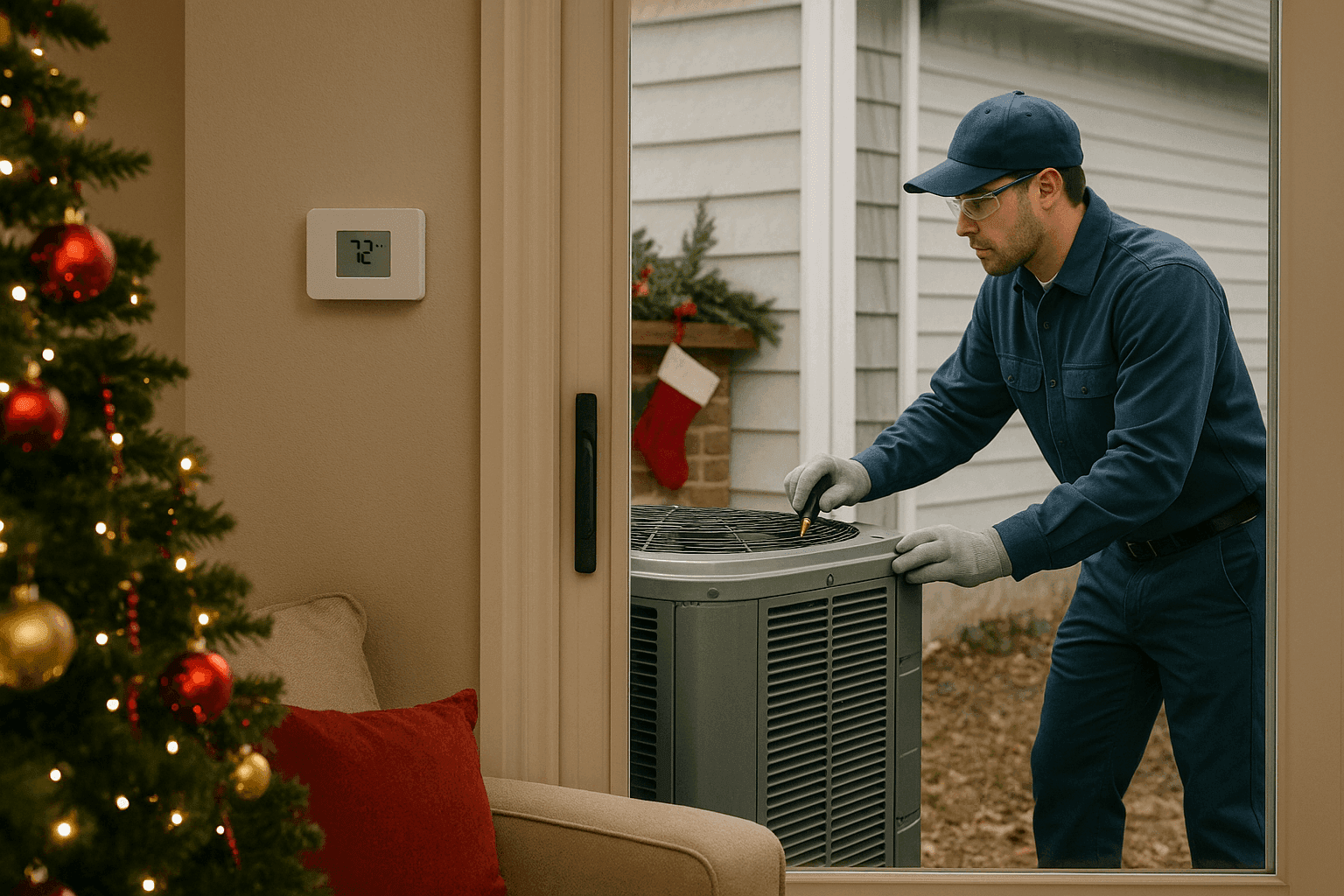
The holidays are a time for warmth, comfort, and gathering with the people who matter most. But when your HVAC system falters—right as guests arrive or temperatures dip—stress can replace joy in a heartbeat. At Almeria Heating & Cooling, we know how quickly a cozy evening can turn cold if your heating or cooling isn’t up to the challenge.
HVAC emergencies don’t wait for a convenient time. That’s why preparation is key, especially during the busiest, most demanding season of the year. Let’s walk through how to keep your home or business safe, comfortable, and ready for celebration.
Why the Holiday Season Tests Your HVAC System
Picture your home on a frosty evening. The oven’s working overtime. Guests are coming and going. Doors open and close, letting in chilly drafts. Your furnace and ventilation work double-time to keep everyone cozy.
This extra strain can push older or neglected systems to their breaking point. Small issues—like a clogged filter or a loose wire—can become big problems when your system is running nonstop. And with more people indoors, indoor air quality and safety become even more important.
Holiday HVAC Safety Checklist 📝
Before the festivities begin, take a few simple steps to keep your system running smoothly and safely. Use this list as your holiday HVAC safety starter:
- Change or clean air filters. Dirty filters block airflow, making your system work harder and lowering air quality.
- Test your thermostat. Make sure it’s responding accurately and set for comfort.
- Inspect vents and registers. Clear away furniture, rugs, and decorations that might block airflow.
- Check carbon monoxide detectors. Replace batteries and test alarms. According to the U.S. Consumer Product Safety Commission, CO detectors are essential if you have fuel-burning appliances.
- Look for signs of leaks. Water around your furnace or AC can signal trouble.
- Listen for odd noises. Rattling, banging, or screeching are red flags.
- Clean around outdoor units. Remove leaves, snow, or debris to keep air moving freely.
- Review your breaker panel. Know which circuit controls your HVAC in case of emergency.
- Schedule a professional inspection. A licensed technician can spot issues before they become emergencies.
DIY vs. Call a Pro: What You Can Safely Handle
Some tasks are safe and simple—like changing filters or checking your thermostat batteries. Think of these as the “brushing your teeth” of HVAC care: easy, routine, and essential.
But when it comes to electrical issues, gas lines, or anything involving the inside of your furnace or AC, it’s time to call in a professional. Tinkering with these systems without the right training is like trying to fix your car’s brakes with a butter knife—risky and likely to make things worse.
If you notice:
- A burnt smell
- Frequent system cycling
- Water pooling around your unit
- Weak or no airflow
Don’t ignore it. These can be early warning signs of bigger problems.
What Pros Do When They Arrive
When a technician from Almeria Heating & Cooling arrives, they bring more than just a toolbox. They bring years of experience and a sharp eye for detail.
Here’s what you can expect:
- Full system inspection. We check your furnace, AC, thermostat, and all moving parts.
- Safety checks. Testing for gas leaks, carbon monoxide, and electrical hazards.
- Performance testing. Ensuring your system heats or cools efficiently and evenly.
- Filter and duct review. We assess the cleanliness of filters and ducts—vital for air quality.
- Recommendations. If something needs attention, you’ll get clear, honest advice.
Our approach follows standards set by organizations like the Air Conditioning Contractors of America (ACCA) and the National Fire Protection Association (NFPA).
Prevention & Maintenance: The Gift That Keeps Giving
Regular maintenance is like giving your HVAC system a tune-up before a long road trip. It helps prevent breakdowns, saves on energy costs, and extends your system’s life.
Here’s how you can keep things humming:
- Schedule twice-yearly maintenance: Once before heating season, once before cooling.
- Replace filters every 1–3 months: Especially important during high-use periods.
- Keep vents and ducts clean: Consider professional duct cleaning if you notice dust or allergies.
- Test smoke and carbon monoxide detectors monthly.
- Monitor humidity: Dry winter air can be tamed with a humidifier; too much moisture may need a dehumidifier.
Investing in maintenance now can mean fewer headaches (and bills) when you least expect them.
Costs & Time Factors: What to Expect
No one wants a surprise bill during the holidays. While costs vary by the type of service and system, here’s what you can generally expect:
- Routine filter changes: Quick, inexpensive, and often DIY.
- Professional inspection: Usually completed in 1–2 hours.
- Repairs: Minor fixes may take less than an hour; complex issues like blower replacement or electrical repairs could take several.
- Emergency hvac service: Available around the clock, but may include after-hours rates.
Remember, catching problems early is almost always less expensive than waiting for a full breakdown.
When It’s an Emergency: What to Do
Sometimes, things go wrong at the worst possible moment. Here’s when to call for emergency hvac help:
- No heat or AC: Especially dangerous in extreme temperatures.
- Strange burning smells or smoke: Shut off the system and call immediately.
- Carbon monoxide alarm sounds: Evacuate and call emergency services.
- Electrical sparks or repeated breaker trips: Don’t risk it—leave repairs to the pros.
Keep our number handy. Our 24/7 emergency hvac team is ready to help, day or night.
FAQ: Holiday HVAC Questions
How often should I change my air filter during the holidays?
If you’re hosting guests or running your system more than usual, check filters every month. Replace if dirty.
Can decorations block my vents?
Yes! Keep all vents and registers clear of trees, presents, and furniture for best airflow.
What’s the best temperature for gatherings?
Most people find 68–72°F comfortable. Adjust as needed for your space and crowd size.
Is it safe to use space heaters?
Only use certified heaters, keep them away from flammable materials, and never leave them unattended. The National Fire Protection Association recommends plugging them directly into a wall outlet.
Special Considerations for Holiday HVAC Use
- Cooking and humidity: Big meals can raise humidity and strain your ventilation. Use exhaust fans and check for condensation.
- Fireplaces and heating: If you use a fireplace, make sure your HVAC system isn’t competing for air. Open a window slightly or use an outside air kit.
- Air quality: More people means more dust, dander, and germs. Consider air scrubbers or upgraded filters for healthier air.
- Generator safety: If you use a backup generator, ensure it’s properly installed and maintained. Never run generators indoors.
Ready for a Stress-Free Holiday?
A little preparation goes a long way. With the right steps, you’ll keep your space warm, safe, and ready for celebration—no matter what the weather (or your guest list) brings.
Call Almeria Heating & Cooling now — or reach us anytime at 844-668-4468 .