Kitchen Hood & Exhaust Installation: Safety and Efficiency Tips
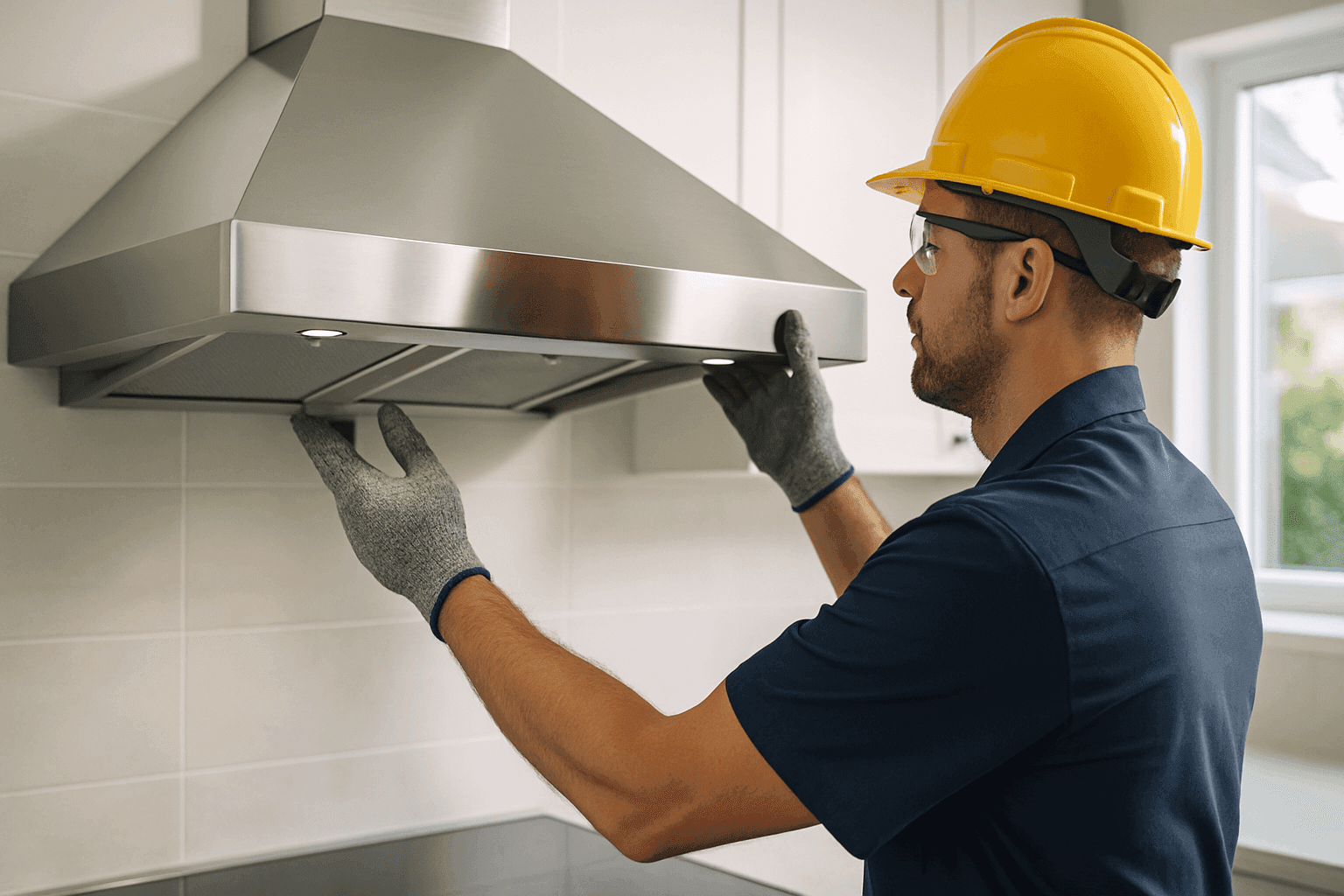
A kitchen is the heart of your home. But behind every delicious meal, there’s an unseen hero—your hood and exhaust system. If it’s not working right, even the coziest kitchen can turn into a smoky labyrinth.
At Almeria Heating & Cooling, we’ve seen the difference a well-installed exhaust system makes. From fire safety to fresh air, these details aren’t just “nice to have”—they’re must-haves. If you’re searching for “emergency hvac” or “Dehumidifiers near you,” you already know how urgent indoor air issues can feel.
Why Kitchen Ventilation Matters 🏠
Cooking is more than just sizzle and spice. Every time you fry, roast, or sear, you create invisible clouds—grease, steam, smoke, and odors. Without ventilation, these clouds float through your home, clinging to walls, ceilings, and even your lungs.
Health: Poor kitchen ventilation lets tiny particles build up. The EPA warns that indoor air can be more polluted than outdoor air. Inhaling fumes from burnt food or excess moisture can trigger allergies, asthma, or worse.
Fire Prevention: Grease is sneaky. It finds every crack and crevice, waiting for a stray spark. A working hood and exhaust help sweep this danger away, lowering your fire risk.
Odor Control: No one wants yesterday’s fish fry lingering. A proper exhaust whisks away smells, keeping your home fresh and welcoming.
Types of Hoods & Exhausts
When choosing a hood, you face two main roads: ducted and ductless. Each has its quirks—like picking the right shoes for a long walk.
Ducted Hoods
- How They Work: Suck air and vent it outside.
- Pros: Removes heat, smoke, and moisture completely.
- Cons: Needs ductwork. Installation can be more involved.
Ductless (Recirculating) Hoods
- How They Work: Filter air, then return it to the kitchen.
- Pros: Easier to install. No external venting needed.
- Cons: Filters need regular changing. Doesn’t remove heat or humidity as well.
Sizing
Bigger isn’t always better—but too small, and you might as well hang a towel over your stove. Sizing depends on your stove’s width and Btus (British thermal units). Most homes need a hood at least as wide as the cooking surface. The Home Ventilating Institute recommends 100 CFM (cubic feet per minute) of airflow per linear foot of cooktop.
Noise
A kitchen should be lively, not deafening. Look for quiet models—measured in sones. Under 6 sones is a good target for residential spaces.
Installation & Code Considerations 🛠️
Installing a range hood is not just about bolting it to the wall. Local building codes have their say—and for good reason. Poor installs can lead to backdrafts, carbon monoxide leaks, or fire hazards.
Placement
- Height: Mount hoods 24–30 inches above electric ranges, 27–30 inches for gas.
- Distance: Centered over the stove, not off to one side.
- Ductwork: Runs as short and straight as possible, with minimal bends.
Permits & Code
Many municipalities require permits for kitchen hood installation. Codes like the International Residential Code (IRC) and NFPA 96 (for fire safety) may apply. Always check your local rules.
Why Hire a Pro?
At Almeria Heating & Cooling, our installers are certified and well-versed in code requirements. We don’t cut corners. Our safety record speaks for itself—because your family’s well-being is worth it.
Quick Safety Checklist
- ✅ Is the hood sized for your stove?
- ✅ Are filters clean and correctly installed?
- ✅ Is ductwork sealed (no leaks or gaps)?
- ✅ Is the vent pointed outside (not into an attic or crawlspace)?
- ✅ Are you using the right type of duct (not plastic or flexible foil)?
- ✅ Is there enough power for the fan?
- ✅ Did you check for local permit requirements?
DIY vs. Call a Pro
Some folks are handy with a drill. But kitchen hood installation can be trickier than it looks.
DIY might be OK for:
- Replacing filters
- Cleaning grease traps
Call a Pro for:
- New installs (especially ducted)
- Electrical hookups
- Cutting walls or cabinets
- Ensuring code compliance
A professional brings not just tools, but know-how. Like a chef with a secret ingredient, pros spot problems before they simmer over.
What Pros Do On Arrival
Ever wonder what happens when you call for hood or exhaust installation? Here’s what to expect:
- Assess the space: Measure, check clearances, and review stove specs.
- Plan ductwork: Find the shortest, safest route outside.
- Secure permits: Handle paperwork, if required.
- Install hood: Mount securely, run ducts, seal connections.
- Test airflow: Make sure smoke and steam exit cleanly.
- Verify code compliance: Double-check every detail for safety.
Prevention & Maintenance
A well-installed hood is just the start. Like changing oil in your car, regular maintenance keeps things humming.
- Clean or replace filters: At least every 1–3 months.
- Wipe down surfaces: Grease can be flammable.
- Inspect ductwork: Make sure it’s clear and sealed.
- Check fan operation: Listen for unusual noises. Weak airflow could mean a clog.
The National Fire Protection Association (NFPA) recommends checking kitchen exhaust systems regularly for grease buildup.
Costs & Time Factors
No two kitchens are alike. Costs and time will vary based on:
- Hood type (ducted or ductless)
- Ductwork length and complexity
- Electrical upgrades needed
- Local permit fees
- Accessibility (single story vs. multi-story)
Most installations take 2–6 hours. Simple ductless models are quicker. Ducted hoods, especially those needing new vents, take longer.
When It’s an Emergency
Smoke pouring from the kitchen? Fan suddenly silent? That’s when you need emergency hvac help—fast.
Signs you need urgent service:
- Smoking or sparking hood
- Fan won’t turn on, or makes grinding noises
- Strong gas or burning smell
- Visible grease dripping from the vent
In these cases, shut off power to the hood and call for emergency hvac service immediately. Safety comes first.
FAQ
Q: How often should I clean my range hood and filters?
A: For most homes, every 1–3 months. If you cook often or fry foods, check more frequently.
Q: Can I vent my kitchen hood into the attic?
A: No. Building codes (like IRC and local rules) require kitchen exhausts to vent outdoors. Otherwise, you risk mold, moisture, and fire hazards.
Q: What’s the difference between CFM and sones?
A: CFM measures airflow (how much air the fan moves). Sones measure sound. Lower sones = quieter operation.
Q: Do I need a permit for a new kitchen hood?
A: Often, yes. Local codes vary. Always check before starting work.
Local & Seasonal Considerations 🌦️
In colder climates, venting outdoors means you’ll want insulated ducts to prevent condensation. In humid areas, proper ventilation keeps mold and moisture at bay. Seasonal cooking (think holiday feasts) puts extra strain on your hood—schedule filter checks before big events.
And no matter where you live, “Dehumidifiers near you” or emergency hvac services can help if kitchen moisture becomes a problem.
A safe, efficient kitchen starts with the right hood and exhaust installation. Don’t leave health or safety to chance.
Call Almeria Heating & Cooling now — or reach us anytime at 844-668-4468 .