Humidifiers vs. Dehumidifiers: Which Does Your Home Need?
Humidity is invisible. But you feel it the moment you walk in the door. Dry, itchy skin in winter. Sticky, muggy air in summer. Sometimes, it’s a battle just to breathe easy at home.
At Almeria Heating & Cooling, we know how important balanced humidity is—for your comfort, your health, and your house itself. Whether you need a fix right now with 24/7 emergency hvac service or you’re just tired of mystery symptoms, let’s break down what your home really needs.
Why Humidity Matters 🏠
Humidity isn’t just a number on a thermostat. It’s the silent architect of how your home feels, how well you sleep, and even how long your furniture lasts.
- Comfort: Too dry? You might wake up with a sore throat, cracked lips, or static shocks that zap your socks off. Too humid? It’s like living inside a damp sponge—hard to cool off, clothes feel clammy, and sleep gets restless.
- Health: The CDC and EPA both report that indoor air that’s too dry can worsen respiratory problems, while too much moisture breeds dust mites, mold, and bacteria. Balancing air moisture helps reduce allergy flare-ups, asthma attacks, and the spread of airborne germs.
- Home Protection: Wood floors warp. Paint peels. Electronics corrode. Even your piano goes out of tune when humidity swings wildly. According to ASHRAE (the American Society of Heating, Refrigerating and Air-Conditioning Engineers), keeping humidity between 30%–50% is key to protecting your investment.
Signs You Need a Humidifier or Dehumidifier
How do you know if you need to add moisture—or take it away? Watch for these clues:
Dry Air (Humidifier Needed)
- Scratchy throat, nosebleeds, chapped lips, or dry skin
- Frequent static electricity
- Wood floors or furniture cracking
- Plants wilting even when watered
Too Much Moisture (Dehumidifier Needed)
- Condensation on windows or pipes
- Musty smells in basements or closets
- Mold spots on walls or ceilings
- Allergy symptoms that get worse indoors
If you spot these signs, your home’s humidity is out of balance. And that’s when indoor air quality (IAQ) specialists, like our certified team at Almeria Heating & Cooling, can help.
Choosing the Right Solution
Picking between humidifiers and dehumidifiers isn’t always clear-cut. Every home—and every room—can have different needs.
Room Size Matters
Think of it like watering a garden. A tiny bedroom and a sprawling basement require different tools. A small portable unit might work for a nursery, but whole-home systems are best for multi-story houses or open layouts.
System Compatibility
Do you already have central heating and cooling? Some humidifiers and dehumidifiers can connect directly to your HVAC system for even coverage. Others work independently. Matching the solution to your existing setup ensures you get the benefits without headaches.
Maintenance Needs
Both systems need regular checkups:
- Humidifiers: Change water panels or filters as recommended by the manufacturer (usually every 1–3 months). Clean the tank to prevent bacteria growth.
- Dehumidifiers: Empty the reservoir or check the drain hose. Clean or replace air filters. Wipe down coils to keep performance high.
Pro tip: A home energy audit or indoor air quality test from a certified professional can reveal hidden issues—like air leaks or ventilation problems—that make humidity harder to control.
Safety First: Quick Checklist 🦺
- Only use humidifiers and dehumidifiers with UL or ETL safety listings.
- Don’t let water sit in tanks for more than a day or two; bacteria love stagnant water.
- Keep units clear of curtains, bedding, and furniture to prevent airflow blockages.
- Follow manufacturer guidelines for cleaning and filter changes.
- If you see mold, turn off affected units until a pro inspects for hidden leaks.
DIY or Call a Pro?
Some fixes are simple. Others need a practiced hand, especially if you need emergency hvac service.
DIY
- Clean and refill portable units weekly.
- Use a digital hygrometer to monitor humidity (aim for 30–50%).
- Try weatherstripping or caulking leaks that let outside air in.
Call a Pro
- If humidity problems persist after trying the basics
- When you notice mold, strong odors, or unexplained allergy symptoms
- For whole-home system installation, maintenance, or integration with your HVAC
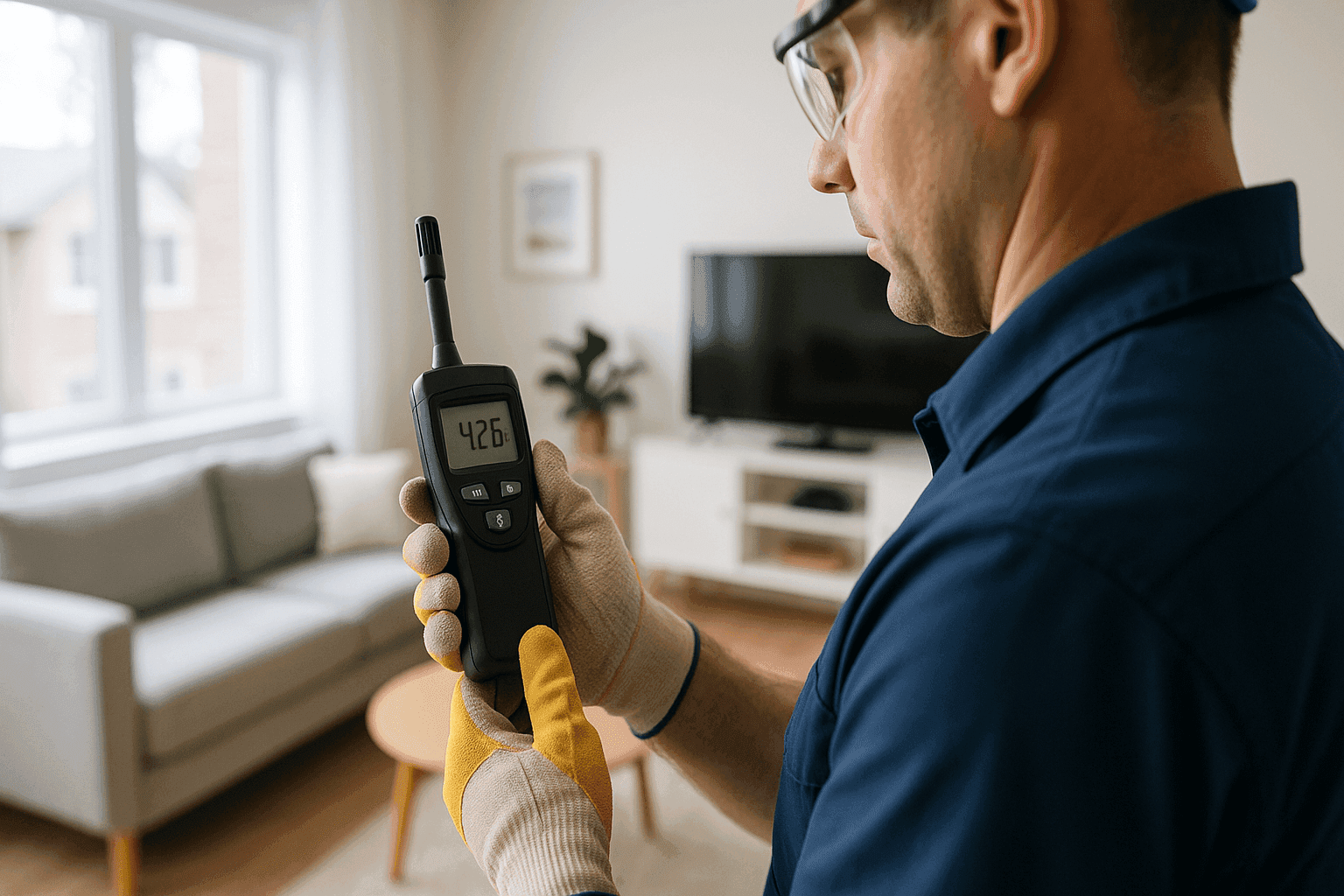
Certified pros, like those at Almeria Heating & Cooling, can diagnose hidden issues using IAQ meters and provide before-and-after data so you know your air is truly safer.
What Pros Do on Arrival
When you call for help—especially for emergency hvac—here’s what you can expect:
- Inspect your home’s current humidity with precise digital tools
- Check for leaks, blocked vents, or insulation gaps
- Test air quality for mold spores, VOCs, and allergens
- Recommend right-sized equipment and explain all options
- Provide data so you see the difference before and after
Prevention & Maintenance
Staying ahead of humidity issues keeps your home, health, and wallet in better shape.
- Schedule annual HVAC maintenance to spot problems early
- Change filters on time—clogged filters throw off humidity control
- Ventilate kitchens and bathrooms with exhaust fans
- Use ceiling fans and whole-house fans to circulate air in muggy seasons
- Consider a programmable thermostat to keep conditions steady
Routine care helps avoid unexpected breakdowns (and those midnight emergency calls).
Costs & Time Factors
Every home and system is unique. But here are some general guidelines:
- Portable humidifiers/dehumidifiers: Usually $30–$300, install in minutes.
- Whole-home systems: More upfront cost, but lower maintenance and better coverage. Installation can take a few hours to a full day, depending on complexity.
- Maintenance: Most filters and panels cost $10–$40. Annual professional tune-ups can prevent costlier repairs down the road.
Remember: addressing humidity problems early saves money by preventing bigger issues like water damage or mold remediation.
When It’s an Emergency 🚨
Humidity emergencies strike fast. Flooded basements, burst pipes, or sudden mold outbreaks can spiral out of control. Here’s when to make the call right away:
- Water pooling on floors or dripping from ceilings
- Mold growing visibly on walls or vents
- Sudden spikes in allergy symptoms or breathing trouble
- HVAC system shutting down or blowing musty air
Almeria Heating & Cooling offers true 24/7 emergency hvac services. No waiting for business hours if you’re in crisis.
FAQ: Humidifiers, Dehumidifiers & Indoor Air Quality
Q1: What’s the ideal humidity for a home?
The EPA and ASHRAE recommend 30%–50% relative humidity for most homes.
Q2: Can I use both a humidifier and dehumidifier?
Yes! Some homes need both—especially in regions with dry winters and humid summers. The right setup depends on your climate and your home’s insulation.
Q3: Will a dehumidifier help with allergies?
Absolutely. By lowering moisture, you reduce dust mites and mold, which are common allergy triggers (American Academy of Allergy, Asthma & Immunology).
Q4: How do I know if my unit is working?
Use a hygrometer to check room humidity. If your symptoms improve and surfaces stay dry, it’s working.
Local and Seasonal Considerations
Humidity needs change with the seasons—and with your location.
- Winter: Homes get drier. Heating systems can suck moisture from the air, making humidifiers a must.
- Spring/Summer: Humidity spikes. Rain and heat can cause dampness, especially in basements or older homes.
- Fall: Great time for a home energy audit to prepare for seasonal swings.
If you’re searching “dehumidifiers near you” or need urgent help, our team has experience in every kind of local climate and challenge.
Balanced humidity isn’t just about comfort. It’s about health, energy savings, and protecting your home for years to come. Ready to breathe easier?
Call Almeria Heating & Cooling now — or reach us anytime at 844-668-4468 .