Homeowner’s Guide to HVAC Energy Efficiency: Save Money Year-Round
Everyone wants to save money on heating and cooling. But for most homeowners and small business owners, the path to lower energy bills feels like wandering a maze—one wrong turn and you’re back where you started. At Almeria Heating & Cooling, we know that a few smart moves can make a world of difference.
Let’s cut through the confusion. This guide will show you how to make your HVAC system work smarter, not harder—so you can stay comfortable, save money, and help the planet.
Why HVAC Energy Efficiency Matters
Imagine your HVAC system as the heart of your home or business. When it runs well, energy flows smoothly—waste is minimal, comfort is maximized, and your wallet breathes a sigh of relief. But when it’s neglected, energy leaks out like water from a cracked pipe.
Improving HVAC efficiency means:
- Lower energy bills every season
- Reduced carbon footprint
- Longer system lifespan
- Fewer emergency hvac calls
According to the U.S. Department of Energy, heating and cooling account for nearly half of the average home’s energy use. Small changes can mean big savings.
Regular HVAC Maintenance: The Secret to Peak Performance 🛠️
Skipping maintenance is like skipping oil changes for your car. It might work for a while, but eventually, things grind to a halt.
Maintenance Tips for Homeowners
- Check and replace air filters every 1–3 months. Dirty filters choke airflow and force your system to work harder.
- Keep vents and registers clear. Blocked vents mean uneven temperatures and wasted energy.
- Inspect outdoor units. Remove leaves, grass, and debris from around your AC or heat pump.
- Listen for odd noises. Rattling, banging, or whistling sounds can signal trouble.
- Schedule professional tune-ups at least once a year. This keeps everything running smoothly and safely.
Annual maintenance by a licensed technician can boost efficiency by up to 15%, according to ENERGY STAR.
Filter Replacement & Duct Cleaning: Breathing Easy
Think of your HVAC system’s filters as its lungs. When they’re clogged, nothing flows right. The same goes for your ductwork—dust, debris, and even mold can build up over time, making your system work overtime.
Why Filters Matter
- Improved airflow: Clean filters let your system "breathe" and distribute air evenly.
- Better indoor air quality: Less dust, pollen, and allergens.
- Lower energy use: Your system doesn’t have to strain to push air through a clogged filter.
Duct Cleaning Benefits
- Removes dust, pet hair, and other debris
- Cuts down on odors and allergens
- Helps maintain balanced air pressure throughout your space
The National Air Duct Cleaners Association recommends inspecting your ducts every few years and cleaning as needed. For homes with pets or allergies, more frequent checks are wise.
Upgrading to Energy-Efficient Systems & Thermostats
Technology has come a long way. Modern HVAC systems are like high-efficiency engines—designed to do more with less.
Benefits of Upgrading
- Lower monthly bills: ENERGY STAR certified systems use up to 20% less energy.
- Consistent comfort: Advanced features mean fewer hot and cold spots.
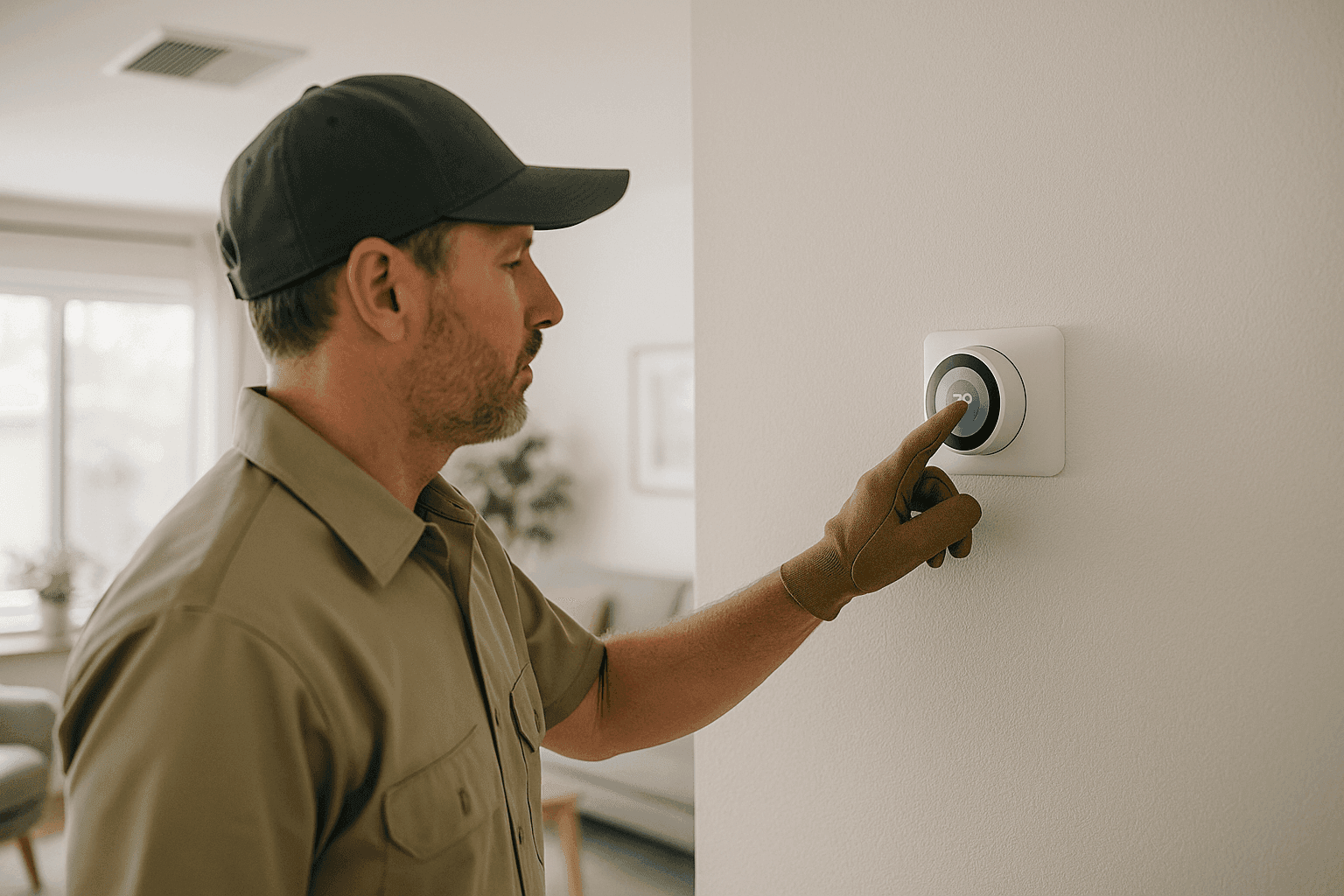
- Smart thermostats: Programmable and Wi-Fi enabled thermostats adjust temperatures automatically, so you’re not heating or cooling an empty building.
If your system is over 10–15 years old, upgrading can pay for itself over time. Look for systems with high SEER (Seasonal Energy Efficiency Ratio) ratings for cooling and high AFUE (Annual Fuel Utilization Efficiency) ratings for heating.
The Power of a Home Energy Audit
Not sure where your energy is going? A home energy audit is like a checkup for your building. Certified professionals use tools like blower doors and infrared cameras to spot leaks, poor insulation, and other hidden issues.
What to Expect
- Thorough inspection of insulation, windows, doors, and HVAC system
- Testing for air leaks in ducts and around your home or business
- Detailed report with actionable recommendations
The U.S. Department of Energy recommends energy audits as a first step before making major upgrades. Fixing leaks and adding insulation can boost HVAC efficiency dramatically.
Seasonal Strategies: Stay Comfortable, Spend Less
Every season brings its own challenges. Here’s how to optimize your HVAC year-round:
Spring & Summer
- Set your thermostat higher when you’re away. Each degree can save up to 3% on cooling costs.
- Use ceiling fans to circulate air. They help you feel cooler, so you can set the thermostat higher.
- Close blinds and curtains during the hottest part of the day.
Fall & Winter
- Reverse ceiling fans to push warm air down.
- Seal windows and doors with weatherstripping.
- Lower thermostat at night and when you’re out.
Small steps add up. According to the Environmental Protection Agency, programmable thermostats can save up to $180 a year.
Quick Safety Checklist
Before you tackle any HVAC project, safety comes first:
- Turn off power to your HVAC system before cleaning or inspecting
- Wear gloves and a mask when changing filters or cleaning ducts
- Never attempt electrical repairs unless you’re qualified
- Call a professional if you smell gas or see exposed wires
Always follow manufacturer instructions and local building codes. The Occupational Safety and Health Administration (OSHA) provides guidelines for safe HVAC maintenance.
DIY vs. When to Call a Pro
Some tasks are perfect for a weekend project. Others need a skilled hand.
DIY-Friendly
- Filter changes
- Clearing debris from outdoor units
- Adjusting thermostat settings
Call a Pro For
- Annual tune-ups and inspections
- Duct cleaning and sealing
- Electrical or refrigerant issues
- Emergency hvac repairs
Trying to fix complex issues on your own can lead to bigger problems—or even safety hazards.
What Pros Do On Arrival
When you call Almeria Heating & Cooling, our certified technicians follow industry best practices:
- Inspect the entire system, inside and out
- Test electrical components and safety controls
- Check refrigerant levels and look for leaks
- Clean coils, blower components, and condensate drains
- Review thermostat settings and calibrate as needed
- Provide a clear report with recommendations
We follow standards set by organizations like the Air Conditioning Contractors of America (ACCA) and North American Technician Excellence (NATE).
Prevention & Maintenance: Year-Round Comfort
Prevention is always cheaper than emergency repairs. Here’s how to keep your HVAC running smoothly:
- Schedule professional maintenance twice a year—spring for cooling, fall for heating
- Replace filters regularly
- Keep vents and registers open and unobstructed
- Monitor your energy bills for sudden spikes
- Upgrade insulation and seal air leaks
A well-maintained system lasts longer, breaks down less, and keeps your space comfortable in every season.
Costs & Time Factors
Every home and business is different, but here’s what to expect:
- Filter changes: Quick and inexpensive—usually a few minutes
- Duct cleaning: Can take several hours, depending on size and condition
- System upgrades: Installation may take a day or more; costs vary by system size and features
- Professional maintenance: Typically takes 1–2 hours
Investing in efficiency now can mean lower costs for years to come.
When It’s an Emergency
Sometimes, things go wrong at the worst possible time. That’s when emergency hvac service is essential.
Signs of an Emergency
- No heating or cooling during extreme weather
- Strange smells (burning, gas, or chemicals)
- Electrical sparks or tripped breakers
- Water leaks around your system
Don’t wait. Safety comes first—turn off your system and call for help right away.
FAQ: Common Questions About HVAC Energy Efficiency
How often should I replace my air filter?
Most filters need replacing every 1–3 months, but check monthly if you have pets or allergies.
Can I clean my own ducts?
Light dusting of vents is fine, but deep duct cleaning needs specialized tools and training. Call a professional for best results.
Will a smart thermostat really save money?
Yes! Smart thermostats can reduce energy use by learning your schedule and adjusting temperatures automatically.
How do I know if my system is too old?
If your HVAC is over 10–15 years old, has frequent breakdowns, or your bills keep rising, it may be time to consider an upgrade.
Special Considerations for Energy Efficiency
Energy efficiency isn’t one-size-fits-all. Consider these factors:
- Building size and layout: Larger spaces may benefit from zoning or variable-speed systems.
- Indoor air quality: Upgrades like air scrubbers and humidifiers can improve comfort and health.
- Renewable options: Geothermal systems and whole-house fans offer sustainable alternatives.
- Business needs: Commercial spaces may require custom solutions for ventilation and air balancing.
Always consult with a certified HVAC professional to choose the right options for your needs and budget.
Ready to save money and boost comfort? Call Almeria Heating & Cooling now — or reach us anytime at 844-668-4468 .