Geothermal Heating & Cooling: Pros, Cons, and Savings Explained
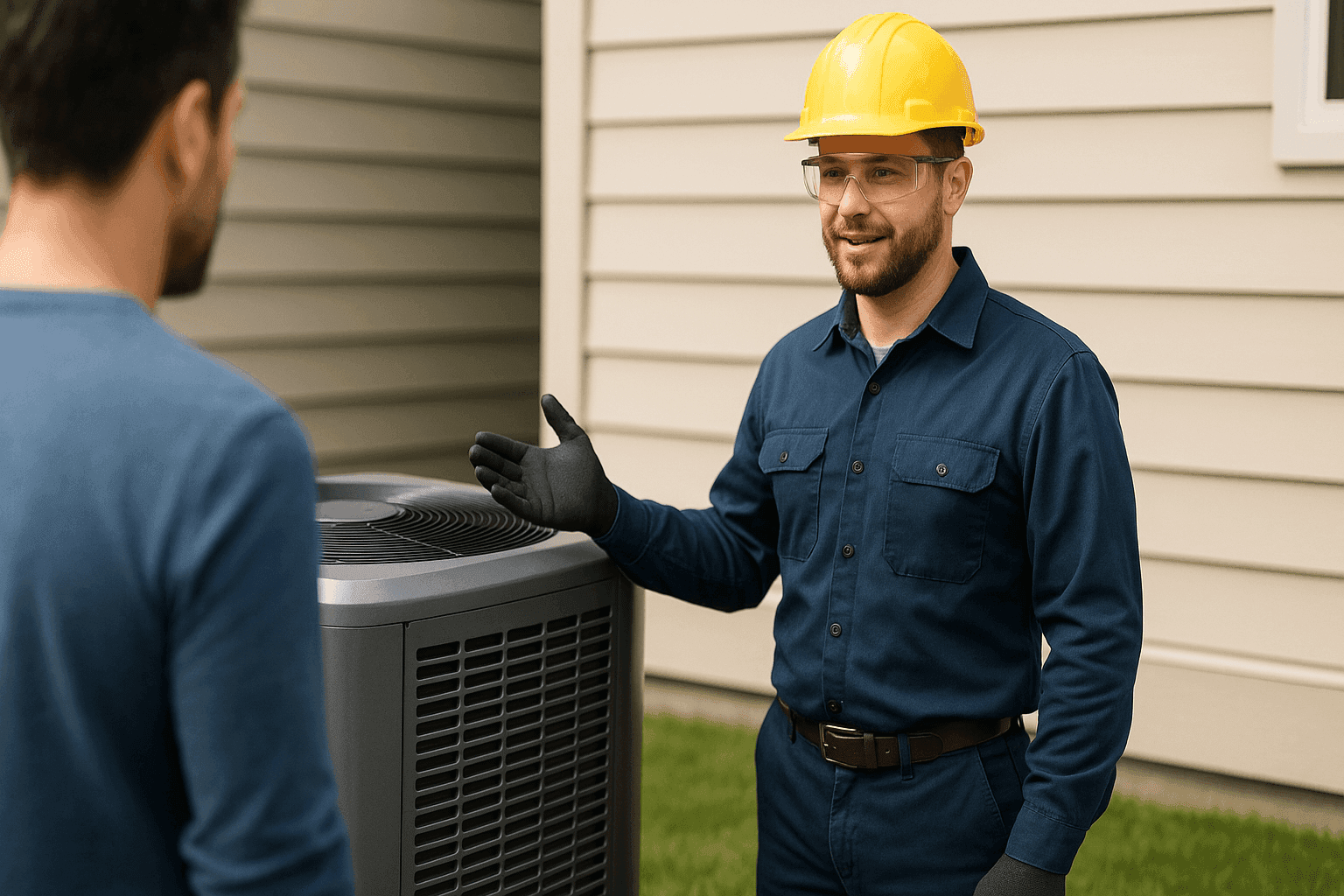
Feeling the sting of rising energy bills? Wondering if there’s a smarter, more efficient way to heat and cool your home—one that doesn’t leave you sweating every utility bill? You’re not alone. More homeowners are searching for systems that offer comfort, reliability, and lower long-term costs.
At Almeria Heating & Cooling, we know that big decisions like switching to geothermal heating or cooling are serious business. Let’s walk through what geothermal really means for your home, your comfort, and your wallet.
How Geothermal Systems Work 🌀
Picture this: beneath your backyard, the earth’s temperature stays a steady 45–75°F all year, no matter how wild the weather above. Geothermal heating and cooling taps into this stable underground climate.
The Basics
- Heat Pump Magic: A geothermal heat pump moves heat instead of making it. In winter, it pulls warmth from the ground into your home. In summer, it pushes indoor heat back underground.
- Closed Loop vs. Open Loop:
- Closed loop systems circulate a safe antifreeze fluid through buried pipes. The earth’s steady temperature heats or cools the fluid, which the heat pump uses.
- Open loop systems use groundwater directly, drawing it up, transferring heat, then returning it safely to the ground.
Think of it as trading the unpredictable air outside for the steady hug of the earth below.
Why Does It Matter?
Unlike traditional AC or furnaces (which burn fuel or use lots of electricity), geothermal uses the planet’s own energy. That means lower energy use and fewer surprises when the weather swings.
Pros & Cons for Homeowners
Every system has its trade-offs. Here’s what to expect if you’re considering geothermal for your home.
Pros
- Lower Operating Costs: According to the U.S. Department of Energy, geothermal systems can cut heating bills by up to 70% and cooling by up to 50% compared to conventional systems.
- Long Lifespan: Underground loops often last 50+ years. The indoor heat pump typically lasts 20–25 years.
- Quiet Comfort: No noisy outdoor units. Just a gentle hum inside.
- Low Maintenance: Fewer moving parts. Less wear and tear than gas furnaces or standard AC units.
- Eco-Friendly: Reduces greenhouse gas emissions. Uses renewable energy right below your feet.
Cons
- Upfront Cost: Installation is a big investment—often $15,000–$35,000 for a typical home (per DOE data). The price reflects the excavation and specialized equipment.
- Site Suitability: Works best with enough yard space for ground loops. Rocky or waterlogged soil can complicate things.
- Electricity Required: The heat pump needs power—so a backup generator (with regular generator maintenance) may be smart for outages.
- Not Instant: Installation can take several days to weeks, depending on the site and weather.
Climate Suitability
Geothermal thrives almost everywhere, even in harsh winters or hot summers. However, local soil, groundwater, and lot size can affect what’s possible. If you’re in a region with deep frost or shallow bedrock, installation might need a creative approach.
Potential Savings & Incentives 💡
The big question: will it pay for itself? Let’s break it down.
Typical Payback
- Payback Period: Homeowners usually recoup their investment in 5–12 years, depending on local energy prices, system size, and available rebates.
- Lifetime Savings: Over 20–25 years, you could save $40,000–$70,000 in energy costs compared to standard HVAC systems (DOE estimates).
Incentives
- Federal Tax Credits: The federal government currently offers a tax credit of up to 30% of total installation costs for qualifying geothermal systems (check IRS Form 5695 for current details).
- State/Local Incentives: Many states, counties, and local utilities offer additional rebates or low-interest loans. It pays to check your city and state’s energy office.
- Energy Star Certification: Geothermal heat pumps that meet ENERGY STAR® standards may qualify for extra incentives.
Real-World Example
One Almeria Heating & Cooling customer, a family of four in a 2,500 sq ft home, saw their winter heating bills drop from $350 per month to just $95 after switching to geothermal—plus, their AC costs in summer fell by half. They recouped their upfront investment in under 8 years, thanks to state and federal incentives.
What Homeowners Should Consider
Thinking about geothermal? Here are some practical tips before you leap in:
- Get a Home Energy Audit: Before major upgrades, an audit pinpoints leaks and insulation gaps. Sealing these first makes any HVAC system work better.
- Check Permits and Codes: Local building codes may require permits or inspections for geothermal installation. Always use a licensed HVAC contractor who knows the rules.
- Plan for Maintenance: While geothermal needs less routine care than many systems, schedule annual HVAC maintenance to keep your pump and loop in peak shape.
Is Geothermal the Right Fit? (FAQ) 🤔
Q: How much yard space do I need?
A: Most homes need at least a small backyard for horizontal loops, or a few deep wells for vertical ones. A site visit can confirm what’s possible.
Q: Will it still heat/cool if the power goes out?
A: Geothermal needs electricity for the heat pump. If outages are common, consider generator installation and maintenance alongside your geothermal system.
Q: What about repairs? Can emergency hvac services handle geothermal?
A: Yes—trained emergency hvac technicians (like the team at Almeria Heating & Cooling) can diagnose and repair geothermal systems, and often carry parts for common fixes.
Q: Can geothermal improve indoor air quality?
A: Definitely. Geothermal doesn’t burn fuel, so there’s no risk of combustion byproducts. Pairing it with dehumidifiers, air scrubbers, or ventilation upgrades can further boost air quality.
Practical Maintenance Tips
- Change Filters Regularly: Just like with traditional HVAC, clean filters help your system breathe.
- Schedule Routine Inspections: A yearly check-up can catch issues before they become costly.
- Keep Registers Clear: Don’t block vents with furniture or rugs.
- Monitor Your Thermostat: Smart thermostats can help maximize efficiency and comfort.
Local/Seasonal Considerations
- Climate: Geothermal works in nearly every climate, but extremely rocky or swampy ground may require special installation.
- Seasonal Shifts: Spring and fall are the best times for installation—before peak heating or cooling demand.
- Emergency HVAC Needs: Even with geothermal, unexpected issues can arise. Keep Almeria Heating & Cooling’s 24 hour emergency hvac number handy for peace of mind.
Ready to Explore Geothermal?
Geothermal heating and cooling isn’t just a trend—it’s a long-term investment in comfort, savings, and sustainability. While the upfront cost can seem steep, the payoff in lower bills and reliable comfort is hard to beat.
Still have questions, or want to know if geothermal or dehumidifiers near you are a good match for your home?
Call Almeria Heating & Cooling now — or reach us anytime at 844-668-4468 .