Duct Cleaning for Healthier Homes: Myths, Facts & Best Practices
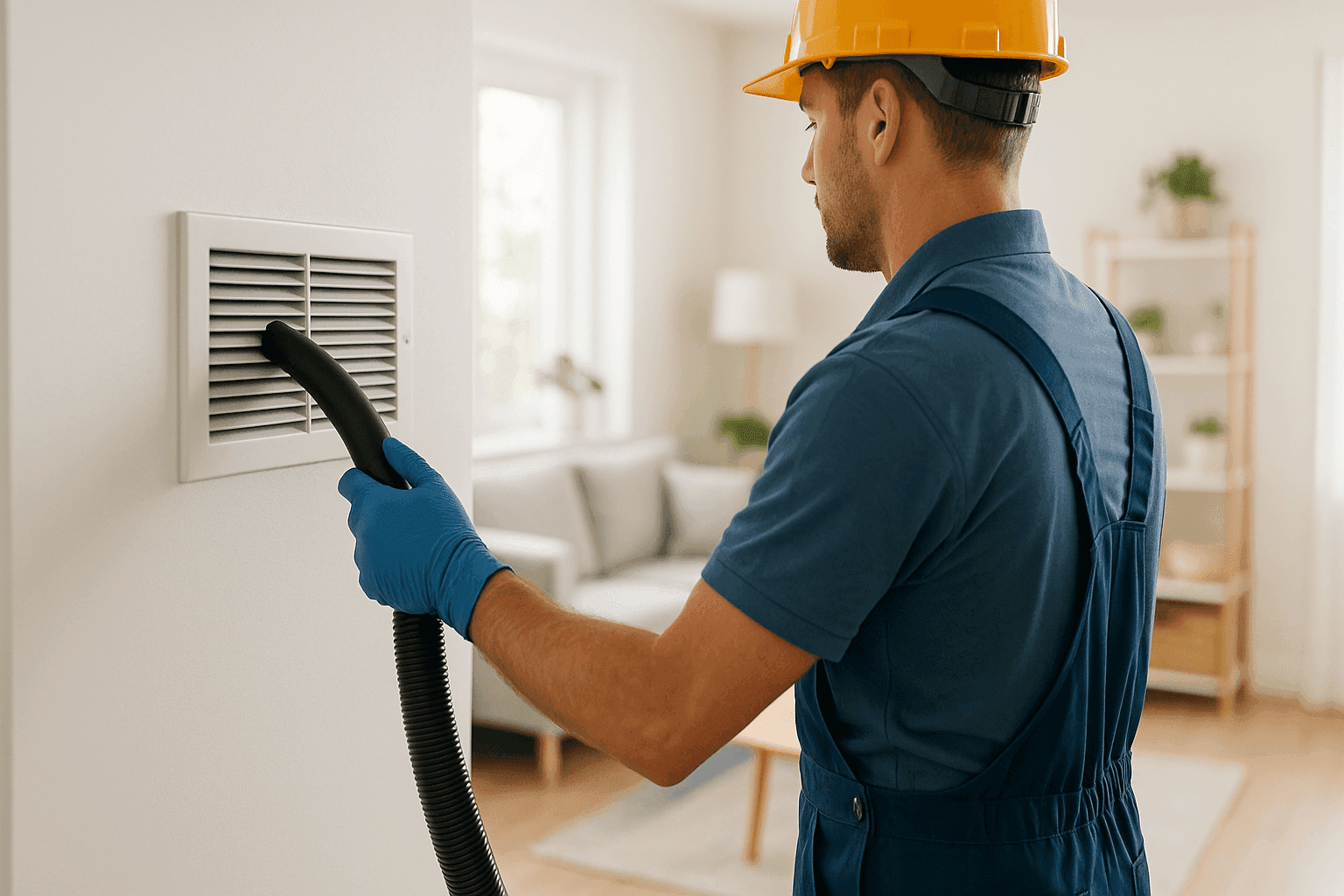
Have you ever wondered what’s really hiding inside your air ducts? Maybe you’ve seen dust puff out when your furnace kicks on. Or maybe allergies seem to hit harder at home. At Almeria Heating & Cooling, we understand how confusing duct cleaning can seem—especially when so much advice sounds more like sales talk than facts.
Let’s break it down together. Here’s what you need to know about duct cleaning, from real-world safety to what actually helps your family breathe easier.
What Duct Cleaning Really Involves
Duct cleaning isn’t just a quick vacuum job. It’s a thorough process, guided by industry standards set by organizations like the National Air Duct Cleaners Association (NADCA).
Here’s what a proper job looks like:
- Inspection: A certified technician checks your entire HVAC system, not just the ducts. This includes your furnace or air handler, filters, cooling coils, and vent registers.
- Specialized Equipment: High-powered vacuums, agitation devices (think rotating brushes, not just a shop-vac), and sometimes even cameras to see inside the ductwork.
- Source Removal: The goal is to physically remove dust, debris, pet hair, and (sometimes) mold from all accessible parts of your air distribution system.
- System Reassembly & Testing: After cleaning, everything gets put back together. Your system is tested for airflow and balanced if needed.
It’s detailed work—more like a deep spring cleaning for your entire HVAC system than a quick dust-off.
Myths vs. Facts
Let’s cut through some common duct cleaning myths. 🦠
Myth #1: "Duct Cleaning Cures Allergies and Asthma."
Fact: The U.S. Environmental Protection Agency (EPA) states that dirty ducts are only one possible source of indoor air pollution. Duct cleaning helps if there’s visible mold, pests, or excessive dust—but it won’t cure every allergy or respiratory problem on its own.
Myth #2: "You Need Your Ducts Cleaned Every Year."
Fact: Most homes don’t need annual duct cleaning. NADCA recommends cleaning every 3–5 years, or when you see signs like:
- Visible mold growth inside ducts or on HVAC components
- Rodent or insect infestation
- Excessive dust blowing from vents
Myth #3: "A Quick, Cheap Cleaning Does the Trick."
Fact: Low-cost “blow and go” services often skip vital steps, leaving debris behind. True cleaning means time, skill, and the right tools.
Myth #4: "It Doesn’t Help Indoor Air Quality."
Fact: If your ducts are clogged with dust, pet hair, or construction debris, cleaning can reduce particles in circulated air. But if your ducts are already clean, you may notice little difference.
Choosing a Qualified Service
Not all duct cleaning companies are alike. Here’s how to find a team that knows their stuff:
- Look for NADCA Certification: This means they follow industry standards and ethical practices.
- Check for EPA Acknowledgement: Reputable companies reference EPA guidance and avoid overpromising health benefits.
- Ask About Equipment: They should use HEPA-filtered vacuums and agitation tools, not just a regular home vacuum.
- Transparent Process: A pro walks you through what they’ll do—and what you can actually expect.
- Red Flags: Beware of ultra-low prices, “mold scare” tactics, or pushy up-sells for unnecessary products like chemical biocides.
At Almeria Heating & Cooling, our emergency hvac techs are fully trained and certified, using only industry-approved methods.
What to Expect: The Duct Cleaning Process
Here’s what happens when you hire a professional:
- Arrival & Walkthrough: The tech inspects your system, checking for visible issues.
- Protecting Your Home: Drop cloths, corner guards, and careful prep keep your space clean.
- System Access: Vents, registers, and sometimes parts of ductwork are opened for thorough cleaning.
- Cleaning Begins: Powerful vacuums and brushes remove built-up debris, dust, and allergens.
- Air Quality Check: After cleaning, airflow and system operation are tested.
- Review: The tech shows you before/after results—sometimes with photos or video.
Expect the visit to last 2–4 hours for a standard size home.
When is Duct Cleaning an Emergency?
Most duct cleaning isn’t urgent. But there are situations when you shouldn’t wait:
- Flood or Water Damage: Wet ducts can breed mold fast. Immediate action is crucial.
- Visible Mold Growth: If you actually see mold inside ducts or on HVAC components, call for an emergency hvac cleaning.
- Rodents or Insects: Droppings, nests, or live pests are a health hazard—don’t delay.
If your family’s health is at risk, or your system is blowing out strange odors or debris, call for help right away.
Practical Tips for Homeowners
- Change Filters Often: This is your first line of defense. Replace furnace or AC filters every 1–3 months.
- Keep Vents Clear: Don’t block registers with furniture or rugs.
- Control Humidity: Use Dehumidifiers near you if moisture is a problem—dry ducts resist mold and dust mites.
- Regular Maintenance: Schedule annual HVAC checkups. Early repairs and cleaning prevent most issues.
- Watch for Warning Signs: Sudden allergies, unexplained dust, or strange smells? It might be time to inspect those ducts.
Costs & Time Factors
Duct cleaning prices vary based on home size, system complexity, and contamination level. Expect a professional job to take 2–4 hours.
The EPA cautions against "too good to be true" deals—real duct cleaning requires time, skill, and the right equipment. If it sounds too fast or too cheap, it probably is.
Duct Cleaning FAQ
Q: Will duct cleaning help with my allergies?
It can, especially if ducts are filled with dust, debris, or mold. But it’s just one piece of the indoor air quality puzzle.
Q: How do I know if my ducts really need cleaning?
Visible mold, pests, dust blowing from vents, or a musty odor are all signs. A certified tech can inspect and show you what’s inside.
Q: Can I clean my own ducts?
You can clean vent covers and accessible duct openings, but deep cleaning requires specialized equipment and training.
Q: What if I have new construction or renovations?
After major work, ducts often fill with drywall dust and debris. Cleaning is wise before running your system full-time.
Local & Seasonal Considerations
Changing seasons—especially spring and fall—are prime times for dust, pollen, and moisture to build up in ducts. If you’ve recently dealt with wildfires, construction, or severe storms, your ducts might be dirtier than usual.
Homes with pets, smokers, or recent renovations may need duct cleaning sooner. And if you’re in a humid climate, staying ahead of mold is key. Consider regular IAQ testing and humidity control.
Ready to breathe easier? For certified duct cleaning, 24/7 emergency hvac service, or a simple air quality checkup, Almeria Heating & Cooling is here to help.
Call Almeria Heating & Cooling now — or reach us anytime at 844-668-4468 .