How to Choose the Right Thermostat for Your Home
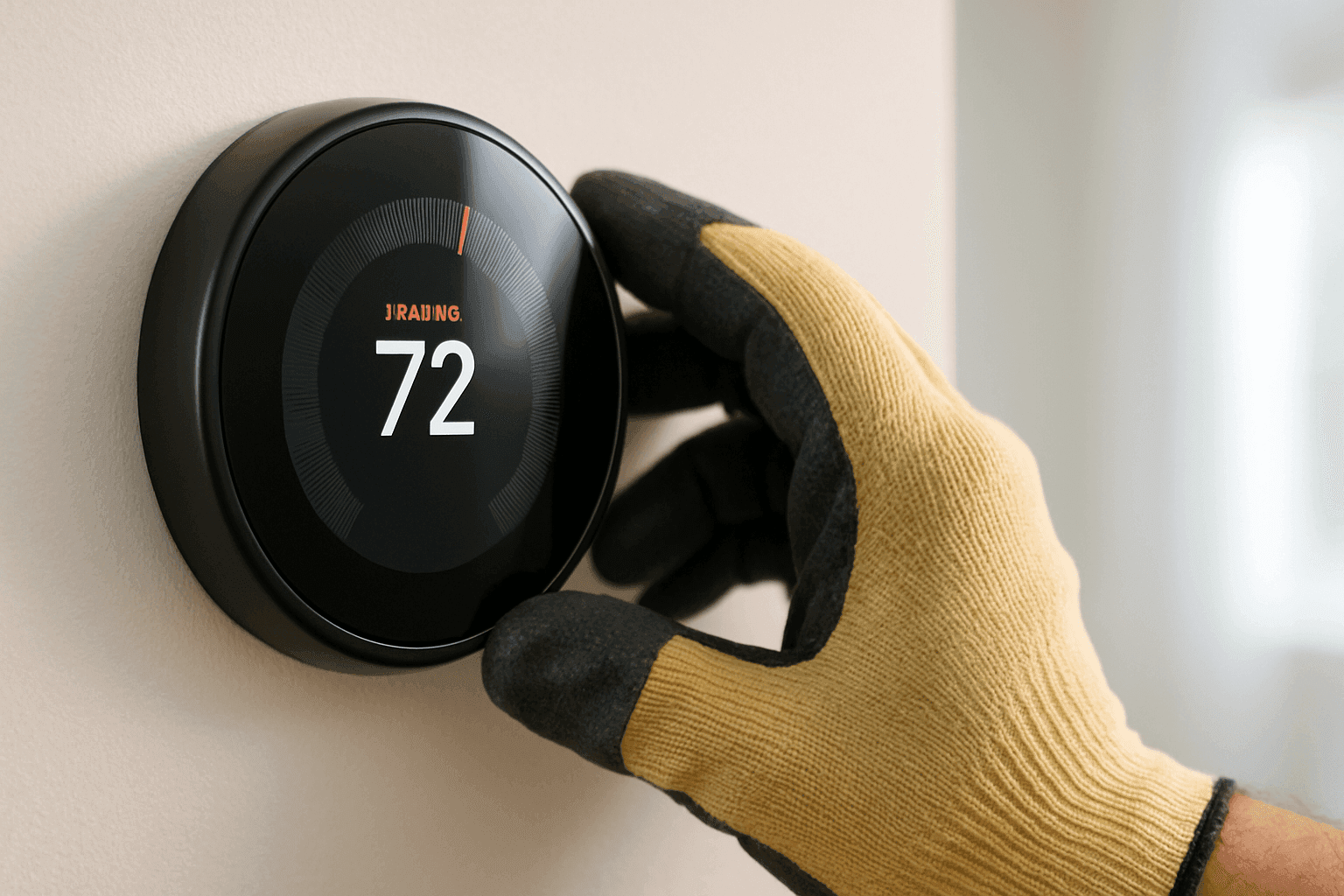
Is your house always too hot? Or uncomfortably chilly, no matter what you try? Maybe you’re tired of old-school controls that feel stuck in the past—or you’re ready to make your home more efficient, but don’t know where to start. At Almeria Heating & Cooling, we hear this every day from homeowners looking for comfort and control, especially during emergency hvac calls.
Choosing the right thermostat isn’t just about pushing buttons. It’s about taking charge of your environment, saving energy, and making life easier. Let’s break it down together, one step at a time.
Types of Thermostats 🔥
Picking a thermostat is like picking the brain of your whole HVAC system. There are three main types. Each one offers a different level of control—think of them as manual gears, cruise control, and autopilot.
Manual Thermostats
- The classic. Simple dials or sliders.
- No programming—just set the temperature and walk away.
- Reliable, but not the most energy friendly.
Programmable Thermostats
- Set schedules for every day, workweek, or weekend.
- “Set it and forget it”: Your home adjusts itself.
- Ideal for routines—like always being out weekdays from 8 to 6.
Smart Thermostats
- Connects to Wi-Fi, learns your patterns.
- Control from your phone, whether you’re on the couch or across the country.
- Some models even “learn” your habits over time.
- Great for busy households and modern energy savings.
Key Features and Benefits
The right features can turn a regular thermostat into the MVP of your indoor comfort.
Wi-Fi Connectivity 📱
- Remote control via smartphone or tablet.
- Get alerts if your house gets too hot, cold, or humid.
- Compatible with most emergency hvac systems.
Zoning Capabilities
- Divide your home into zones; control each separately.
- Perfect for big houses or multi-story homes.
- Helps target comfort—and save money—where you need it most.
Energy Reporting
- See exactly how much energy you’re using.
- Pinpoint wasteful habits or leaks.
- The EPA’s ENERGY STAR program reports that programmable and smart thermostats can save about $50 a year if used correctly.
Other Useful Features
- Voice control (with devices like Alexa or Google Assistant).
- Filter change reminders.
- Integration with Dehumidifiers near you, humidifiers, and even whole-house fans.
Installation and Compatibility 🛠️
Before you grab your toolbox, pause. Not every thermostat fits every system—or skillset.
What to Check
- System Type: Gas furnace? Radiant heating? Mini-split? Not all thermostats are made for every system.
- Wiring: Older homes may have only two wires. Smart thermostats often need a “C” (common) wire for power.
- Voltage: Low-voltage (24V) systems are common in homes. High-voltage systems (120V/240V) need special thermostats.
When to Hire a Pro
- Unsure about wiring? Call a certified technician—incorrect installation can damage sensitive HVAC electronics.
- New construction, complex zoning, or integrating with smart home devices? Pros make sure everything talks to each other.
- Emergency hvac situations—like no heat in winter—should always be handled by a professional.
Certifications and Trusted Standards
Look for thermostats certified by:
- ENERGY STAR for proven efficiency.
- UL (Underwriters Laboratories) for safety.
- AHRI (Air-Conditioning, Heating, & Refrigeration Institute) for performance standards.
These certifications mean your device meets strict guidelines for safety and savings. For more on energy savings, the U.S. Department of Energy provides detailed consumer guides.
Real Stories: Comfort Upgrades That Made a Difference
"Our old thermostat had us sweating one day, freezing the next. Almeria Heating & Cooling recommended a programmable unit. Now, our home feels just right—and our bills dropped."
— L. Garza, Homeowner
"We travel a lot. With the smart thermostat, I can check the house from my phone. No more worrying about frozen pipes or wasting energy."
— R. Singh, Resident
Practical Tips for Thermostat Selection
- Match your lifestyle. Home all day? A manual or simple programmable may suffice. On the go? Smart is the way.
- Check compatibility. Review your system’s manual or call a pro if unsure.
- Think ahead. If you plan to add zoning, humidifiers, or air scrubbers, pick a thermostat that can handle upgrades.
Installation: DIY or Call a Pro?
Changing a thermostat isn’t always as simple as swapping out a lightbulb.
- DIY: If you’re comfortable with basic wiring and your system is standard, you might tackle it yourself.
- Call a Pro: Complex systems, lack of proper wiring, or integration with emergency hvac controls? Let a licensed technician handle it. Mistakes can be costly—and risky.
Maintenance and Longevity
- Test your thermostat each season. Make sure it responds and holds your chosen temperature.
- Change batteries annually (if needed).
- Clean gently, especially if you have pets or allergies.
- Schedule annual HVAC maintenance—a professional can calibrate your thermostat for peak performance.
Costs & Time Factors
- Manual thermostats: Low cost, quick install.
- Programmable thermostats: Moderate price, a bit more complex.
- Smart thermostats: Higher upfront cost, but potential for lower bills and more control.
- Installation time: 30 minutes for basic swaps, up to a few hours for complex systems or smart integrations.
When It’s an Emergency
If your thermostat won’t turn on, is unresponsive, or your HVAC system stops working—especially in extreme weather—call for emergency hvac service right away. Don’t risk your comfort or safety.
Frequently Asked Questions
How do I know which thermostat works with my furnace or AC?
Check your HVAC system’s manual, or look for the model number. Still unsure? A certified technician can confirm compatibility.
Can a smart thermostat work if my Wi-Fi goes out?
Most models revert to manual control. You’ll lose remote access, but you can still adjust settings at the wall.
What’s the average lifespan of a thermostat?
Most last around 10 years. If yours is older, or your indoor temperatures swing wildly, it might be time for an upgrade.
Are smart thermostats worth it for small homes?
Yes! Even in smaller spaces, they offer energy savings and convenience.
Local and Seasonal Considerations 🌡️
- In humid climates, look for thermostats that integrate with Dehumidifiers near you.
- For colder regions, prioritize models with robust heating controls and freeze protection.
- If you have whole-house fans or radiant heating, ensure compatibility before purchase.
Takeaway: Make Your Comfort Count
Choosing the right thermostat is like finding the perfect pair of shoes. It needs to fit your home, your habits, and your future plans. Whether you want simple control or full-featured smart comfort, there’s an option that’s just right for you. And if you ever need help—whether it’s a question, an emergency hvac issue, or just a nudge in the right direction—Almeria Heating & Cooling is here, 24/7.
Call Almeria Heating & Cooling now — or reach us anytime at 844-668-4468 .